Library life
Plan a library trip that leaves room for browsing
Prepare a title pickup, leave a manageable browsing choice open, and make a return plan from the due dates on your actual loans.
Published
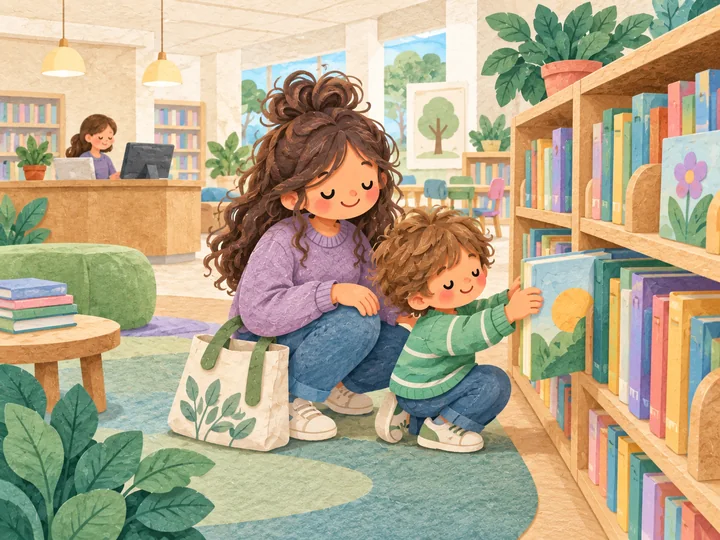
A library visit can have one fixed purpose and still leave room for a book your child notices. Do the fixed part before you leave: check a particular title if it matters, find out where you'll collect it, and make sure it is ready. Then you can decide how much browsing fits around that job.
For the books you take home, make the return plan before you pack them away. A manageable visit includes keeping track of what you've borrowed as well as choosing it.
Check the book you want to collect
If a particular title is the reason for the trip, look it up in your library's catalogue. Check the branch and the status of the copy you want. If you place a hold, follow the library's pickup instructions and wait for confirmation that the item is ready before telling your child you'll bring it home.
Vancouver Public Library's holds policy is one example. A VPL hold can bring an item that is unavailable or at another branch to your preferred VPL pickup branch. When it is ready, VPL notifies you, and that notification gives the exact pickup deadline. Check the selected branch and take the same library card used to place the request when you collect and check out the item.
That pickup deadline is different from the due date you'll get after borrowing. If you can't make the pickup trip, check your library's instructions for changing or cancelling the request before leaving it uncollected. Libraries have their own rules; the VPL example doesn't establish the arrangements elsewhere.
A title that isn't ready can remain a later plan. You can still go to browse, but change the promise to match: you're going to look for something to read, and the reserved book will need another pickup. If your time is limited and the reserved title is the whole purpose, wait until the library says it's ready.
Keep the browsing choice small enough to use
Think about where the borrowed books will be read this week. You might want a familiar story for rereading, a book about a current interest, or something the child chooses from the shelf. Those are possible places to start. Choose the ones that fit this visit, the bag you'll carry and the reading you expect to do.
You can browse one shelf and leave with one book. You can also collect a ready hold and let the child choose an extra book if there's room to look. Michael Rosen's BookTrust advice welcomes returning to familiar books, so the browsing part can include a story you've borrowed before.
Give the child a part of the visit that stays open. That might be choosing between two books you can both look at, or picking a book from a shelf you've stopped beside. Keep the opportunity small enough that you can open the choice together before checking it out.
If you have an oversized pile, think about which books you'd open first at home. Keep the ones you have a reason to use now, and note the others' titles if you want to look for them on another visit. A note preserves an option without adding another loan to track.
Ask for the reading you'll do at home
A librarian has more to work with when you describe the reading situation and one feature you're looking for. Here are two suggested requests:
- “I'm looking for an illustrated story to read aloud with two children. We want pictures we can look at together and a clear stopping point.”
- “My child wants to find out about trains. Could you help us look for a book with clear photographs and short passages I can read aloud?”
These requests give a subject or reading activity and explain how the book will be used. Add the title of a favourite if it helps show what you mean. Staff can help you look for possibilities; a request doesn't mean a particular book will be available immediately.
If you already know the situation you want a story for, our books for everyday parenting moments page can help you find a title to ask about. Use your library's catalogue to check its availability. An Owl and Page review is a guide to the book, rather than a library stock record.
Check the loans while the books are still together
After checkout, use the account or receipt to check the due date for each item. Don't assume every book in the bag has the same date. If you use more than one family member's card, keep track of which account has each loan so you know where to check it later.
Choose a realistic return opportunity that falls before the dates shown. If your next planned library visit is too late, arrange an earlier return instead of leaving that decision until the books are due. You may need to check the library's return locations and hours to make the trip fit.
If you want to keep a book longer, check the renewal rules and confirm the new due date in the account after renewing. At VPL, for example, an item on hold for another patron cannot be renewed. Leave yourself a return option in case the loan can't be extended, and use your own library's current rules for the item you've borrowed.
At home, choose one place for the library books to go back after reading. Keep the bag near it if that helps with the next return. Before leaving home again, check the loans against the books you've gathered, including anything borrowed on a different card.
For the next visit, settle the fixed job first: a ready hold to collect, a return to make, or a shelf you'd like to browse. Leave one choice open for your child, then take home the books you can read, find and return.