Preschool Books About Feelings
Choose a feelings book by what it actually does: names an emotion, follows an upsetting incident, challenges pressure to feel differently or shows someone listening. The books below are grouped by those mechanisms so you can choose a useful conversation rather than a general promise of emotional learning.



Our top picks
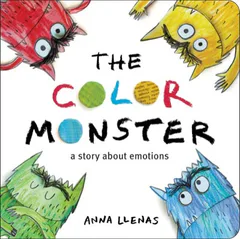 The Color Monster: A Story About EmotionsAges 3–5 · 5 min · about 320 wordsFull book page
- Estimated read-aloud time
- about 5 minutes
- Words
- 320approximate
- Sentences per spread
- 2
- Re-read tolerance
- 4/5good repeat appeal
- Vocabulary
- 2/5everyday words
- Ages
- 3–5
Book features repeated refrain · join-in questions
Why it worksThe monster's mixed-up colors are separated into jars for happiness, sadness, anger, fear and calm. The visual sorting gives a child labels and contrasts, especially when verbal explanation alone feels too abstract.
Worth knowingFeelings do not always separate cleanly or belong to one universal color, and the final new feeling is left for inference. In My Heart describes emotions through changing bodily metaphors rather than a sorting system.
Full book page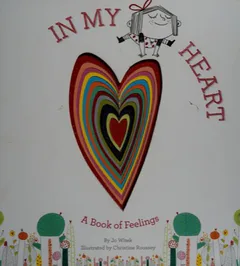 In My Heart: A Book of FeelingsAges 2–5 · 6 min · about 416 wordsFull book page
- Estimated read-aloud time
- about 6 minutes
- Words
- 416approximate
- Sentences per spread
- 2
- Re-read tolerance
- 4/5good repeat appeal
- Vocabulary
- 2/5everyday words
- Ages
- 2–5
Book features repeated refrain · join-in questions
Why it worksThe die-cut heart changes apparent size as pages turn, while each emotion is described through a different physical image such as lightness, heaviness or motion. The format links naming feelings to noticing how they register in the body.
Worth knowingThe poetic comparisons may be less direct for a child who wants literal examples of what caused a feeling. The Color Monster offers clearer categories and colors; this book leaves more room for sensations to overlap.
Full book page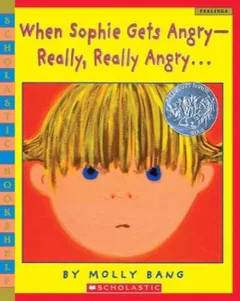 When Sophie Gets Angry - Really, Really Angry...Ages 3–5 · 3.5 min · about 170 wordsFull book page
- Estimated read-aloud time
- about 3.5 minutes
- Words
- 170approximate
- Sentences per spread
- 1
- Re-read tolerance
- 4/5good repeat appeal
- Vocabulary
- 2/5everyday words
- Ages
- 3–5
Why it worksSophie’s anger expands through red outlines, a roar and a run outdoors; the palette cools as she climbs, watches and listens before returning. The pictures show regulation as a bodily and environmental change rather than an adult instruction.
Worth knowingSophie runs away alone, which is not a safe plan for every child or setting, and the family conflict resolves without much repair. The Rabbit Listened keeps comfort relational and models staying nearby.
Full book page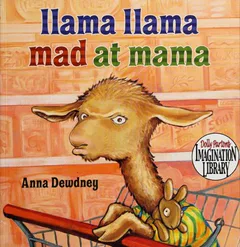 Llama Llama Mad at MamaAges 2–4 · 5 min · about 358 wordsFull book page
- Estimated read-aloud time
- about 5 minutes
- Words
- 358approximate
- Sentences per spread
- 2
- Re-read tolerance
- 4/5good repeat appeal
- Vocabulary
- 2/5everyday words
- Ages
- 2–4
Book features rhymes · repeated refrain
Why it worksA long shopping trip builds through waiting, unwanted errands and denied play until Llama throws groceries from the cart. Mama stops, acknowledges that she dislikes the trip too, and makes cleanup a shared repair before they finish together.
Full book page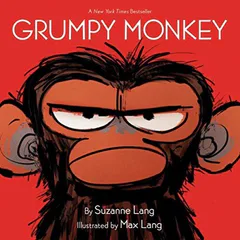 Grumpy MonkeyAges 3–6 · 6 min · 476 wordsFull book page
- Estimated read-aloud time
- about 6 minutes
- Words
- 476
- Sentences per spread
- 2
- Re-read tolerance
- 4/5good repeat appeal
- Vocabulary
- 2/5everyday words
- Ages
- 3–6
Book features repeated refrain
Why it worksJim Panzee's friends prescribe smiles, posture changes, dancing and other fixes while his body continues to show irritation. Norman's quiet admission that he also feels bad finally gives Jim company without demanding improvement.
Worth knowingThe animals' repeated pressure may feel overwhelming, and the story does not identify a cause for Jim's mood. The Rabbit Listened offers a quieter account of unwanted advice after a clear loss.
Full book page
Naming feelings and following a feeling are different
The Color Monster uses a color-based organizing device, while In My Heart makes different feelings available through a series of descriptions and images. Those are starting points for naming and comparison. When Sophie Gets Angry and Llama Llama Mad at Mama instead put a feeling inside a particular event. Choose the naming approach when the child wants words; choose an incident when you want to discuss what happened before, during and after it.
A color or image is a device used by that book, not a fixed code every child must adopt. Let the reader describe their own association rather than correcting it to match the illustration.
Compare responses rather than promising results
Grumpy Monkey centers on others’ attempts to change a character’s mood. The Rabbit Listened contrasts different responses to something upsetting. The useful comparison is between pressure to feel better and room to be heard. Neither book provides a universal script for a real difficult situation; its value is making a response visible enough to discuss.
A question such as ‘Which response would you want here?’ follows the story’s actual distinction. It is different from asking the child to announce the correct emotion or produce a lesson at the end of every reading.
Choose difficult subjects deliberately
A story about everyday frustration, a separation story and a bereavement story are not interchangeable. The Goodbye Book and Ida, Always introduce loss rather than merely a passing bad mood. Read their profiles before choosing them for a casual feelings shelf, and make sure the subject fits the conversation you intend to have. Books can offer language and examples; they are not diagnoses or treatments.
Compare every cover and read-aloud time
Open any book for its details, review and things worth knowing, right here. Read-aloud times are estimates for an unhurried pace, including time for page-turning and looking at pictures. How Owl and Page estimates read-aloud time.
 The Goodbye BookAges 2–5 · 3.5 min · 186 wordsFull book page
- Estimated read-aloud time
- about 3.5 minutes
- Words
- 186
- Sentences per spread
- 1
- Re-read tolerance
- 4/5good repeat appeal
- Vocabulary
- 1/5plain words
- Ages
- 2–5
Book features repeated refrain
Why it worksA small animal experiences a friend's absence through sadness, anger, changed routines and gradual re-engagement, while the cause remains broad enough to fit several kinds of loss.
Worth knowingIts ambiguity can help or frustrate; children dealing with death may need adults to name death directly. Ida, Always provides a specific illness, death and continuing-bond story.
Full book page- When Sophie Gets Angry - Really, Really Angry...Ages 3–5 · 3.5 min · about 170 wordsFull book page
- Estimated read-aloud time
- about 3.5 minutes
- Words
- 170approximate
- Sentences per spread
- 1
- Re-read tolerance
- 4/5good repeat appeal
- Vocabulary
- 2/5everyday words
- Ages
- 3–5
Why it worksSophie’s anger expands through red outlines, a roar and a run outdoors; the palette cools as she climbs, watches and listens before returning. The pictures show regulation as a bodily and environmental change rather than an adult instruction.
Worth knowingSophie runs away alone, which is not a safe plan for every child or setting, and the family conflict resolves without much repair. The Rabbit Listened keeps comfort relational and models staying nearby.
Full book page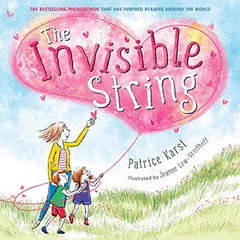 The Invisible StringAges 3–6 · 4.5 min · 329 wordsFull book page
- Estimated read-aloud time
- about 4.5 minutes
- Words
- 329
- Sentences per spread
- 2
- Re-read tolerance
- 4/5good repeat appeal
- Vocabulary
- 2/5everyday words
- Ages
- 3–6
Book features repeated refrain
Why it worksA mother answers her children's storm-time separation fear with an imagined string connecting loved ones across rooms, distance and death, giving abstract attachment one repeatable metaphor.
Worth knowingThe metaphor is spiritual and may not fit every family's beliefs or every grief. The Kissing Hand uses a concrete palm ritual for school separation; this title extends connection much farther.
Full book page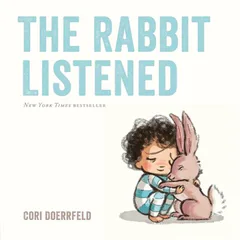 The Rabbit ListenedAges 3–6 · 4.5 min · 296 wordsFull book page
- Estimated read-aloud time
- about 4.5 minutes
- Words
- 296
- Sentences per spread
- 1
- Re-read tolerance
- 4/5good repeat appeal
- Vocabulary
- 2/5everyday words
- Ages
- 3–6
Book features repeated refrain
Why it worksAfter Taylor's block creation collapses, animals successively urge talking, anger, repair, laughter, denial and revenge. The rabbit waits close enough for Taylor to choose those responses in their own time and eventually imagine rebuilding.
Worth knowingThe animals function as clear examples rather than developed characters, and quiet presence is not sufficient for every serious problem. Grumpy Monkey uses comedy to resist forced cheerfulness; this title is more explicit about listening after loss.
Full book page- Llama Llama Mad at MamaAges 2–4 · 5 min · about 358 wordsFull book page
- Estimated read-aloud time
- about 5 minutes
- Words
- 358approximate
- Sentences per spread
- 2
- Re-read tolerance
- 4/5good repeat appeal
- Vocabulary
- 2/5everyday words
- Ages
- 2–4
Book features rhymes · repeated refrain
Why it worksA long shopping trip builds through waiting, unwanted errands and denied play until Llama throws groceries from the cart. Mama stops, acknowledges that she dislikes the trip too, and makes cleanup a shared repair before they finish together.
Full book page Owl BabiesAges 2–5 · 5 min · 325 wordsFull book page
- Estimated read-aloud time
- about 5 minutes
- Words
- 325
- Sentences per spread
- 1
- Re-read tolerance
- 5/5strong repeat appeal
- Vocabulary
- 2/5everyday words
- Ages
- 2–5
Book features repeated refrain · join-in questions
Why it worksSarah, Percy and Bill respond differently when their mother is absent, and their repeated exchange grows from explanation to huddling to Bill's blunt wish before her return.
Worth knowingThe mother leaves without explanation and the night setting can intensify separation worry. Llama Llama Misses Mama shows a full school day and gradual participation before reunion.
Full book page- The Color Monster: A Story About EmotionsAges 3–5 · 5 min · about 320 wordsFull book page
- Estimated read-aloud time
- about 5 minutes
- Words
- 320approximate
- Sentences per spread
- 2
- Re-read tolerance
- 4/5good repeat appeal
- Vocabulary
- 2/5everyday words
- Ages
- 3–5
Book features repeated refrain · join-in questions
Why it worksThe monster's mixed-up colors are separated into jars for happiness, sadness, anger, fear and calm. The visual sorting gives a child labels and contrasts, especially when verbal explanation alone feels too abstract.
Worth knowingFeelings do not always separate cleanly or belong to one universal color, and the final new feeling is left for inference. In My Heart describes emotions through changing bodily metaphors rather than a sorting system.
Full book page- Grumpy MonkeyAges 3–6 · 6 min · 476 wordsFull book page
- Estimated read-aloud time
- about 6 minutes
- Words
- 476
- Sentences per spread
- 2
- Re-read tolerance
- 4/5good repeat appeal
- Vocabulary
- 2/5everyday words
- Ages
- 3–6
Book features repeated refrain
Why it worksJim Panzee's friends prescribe smiles, posture changes, dancing and other fixes while his body continues to show irritation. Norman's quiet admission that he also feels bad finally gives Jim company without demanding improvement.
Worth knowingThe animals' repeated pressure may feel overwhelming, and the story does not identify a cause for Jim's mood. The Rabbit Listened offers a quieter account of unwanted advice after a clear loss.
Full book page- In My Heart: A Book of FeelingsAges 2–5 · 6 min · about 416 wordsFull book page
- Estimated read-aloud time
- about 6 minutes
- Words
- 416approximate
- Sentences per spread
- 2
- Re-read tolerance
- 4/5good repeat appeal
- Vocabulary
- 2/5everyday words
- Ages
- 2–5
Book features repeated refrain · join-in questions
Why it worksThe die-cut heart changes apparent size as pages turn, while each emotion is described through a different physical image such as lightness, heaviness or motion. The format links naming feelings to noticing how they register in the body.
Worth knowingThe poetic comparisons may be less direct for a child who wants literal examples of what caused a feeling. The Color Monster offers clearer categories and colors; this book leaves more room for sensations to overlap.
Full book page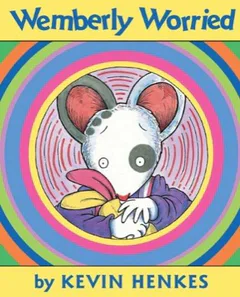 Wemberly WorriedAges 4–6 · 6.5 min · 525 wordsFull book page
- Estimated read-aloud time
- about 6.5 minutes
- Words
- 525
- Sentences per spread
- 2
- Re-read tolerance
- 3/5holds up
- Vocabulary
- 3/5a few new words
- Ages
- 4–6
Book features repeated refrain
Why it worksWemberly's worries attach to small concrete possibilities long before school, then multiply around the new setting. Meeting Jewel does not cure worry; it gives her a companion whose similar concerns make participation possible.
Worth knowingThe long catalogue of anxieties may supply new ideas to a highly suggestible listener. The Kissing Hand offers one compact separation ritual, while Wemberly focuses on recognition and companionship.
Full book page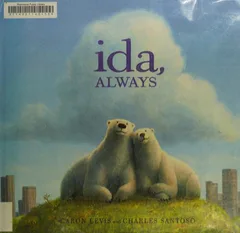 Ida, AlwaysAges 4–6 · 9 min · 801 wordsFull book page
- Estimated read-aloud time
- about 9 minutes
- Words
- 801
- Sentences per spread
- 2
- Re-read tolerance
- 3/5holds up
- Vocabulary
- 3/5a few new words
- Ages
- 4–6
Book features repeated refrain
Why it worksGus and Ida continue ordinary zoo routines after Ida becomes ill; anger, care, death and remembered sounds unfold within the same shared place instead of being separated into a lesson.
Worth knowingIda dies on the page and the quiet pacing can be emotionally intense. The Goodbye Book uses a more abstract animal narrator and simpler language for a first conversation.
Full book page