
Bedtime Books for Toddlers
A useful bedtime choice depends on the shape of the reading: a countdown, a repeated goodnight, a comic routine or a story about being apart. This shelf explains those differences so you can choose a familiar ending without assuming that a bedtime title is automatically quiet.


Our top picks
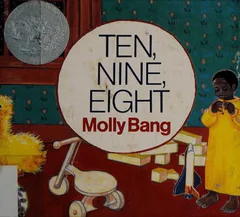 Ten, Nine, EightAges 0–4 · 2.5 min · 69 wordsFull book page
- Estimated read-aloud time
- about 2.5 minutes
- Words
- 69
- Sentences per spread
- 1
- Re-read tolerance
- 4/5good repeat appeal
- Vocabulary
- 1/5plain words
- Ages
- 0–4
Book features rhymes · repeated refrain · join-in questions
Why it worksA father and daughter count backward through toes, buttons, shoes, windows and bedroom objects until one child is tucked in. The decreasing numbers give the routine a visible endpoint and invite searching on every spread.
Worth knowingSome counted objects are decorative rather than steps in a bedtime routine. Goodnight Moon uses repeated farewells for the same slowing purpose; Ten, Nine, Eight gives the listener a numerical path to completion.
Full book page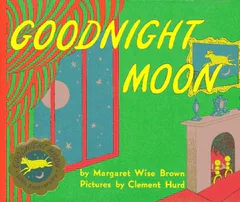 Goodnight MoonAges 0–4 · 3.5 min · 131 wordsFull book page
- Estimated read-aloud time
- about 3.5 minutes
- Words
- 131
- Sentences per spread
- 1
- Re-read tolerance
- 5/5strong repeat appeal
- Vocabulary
- 1/5plain words
- Ages
- 0–4
Book features rhymes · repeated refrain · join-in questions
Why it worksAlternating room views and close-up objects turn a fixed bedroom into a visual inventory, while the light falls and the old lady's whisper gives way to silence. The mouse's changing location provides a small search task inside the repeated goodnights.
Worth knowingThere is no conventional conflict or event sequence, and some named objects are deliberately odd. Time for Bed moves through animal parent-and-child pairs; Goodnight Moon stays in one room and reduces stimulation by repetition.
Full book page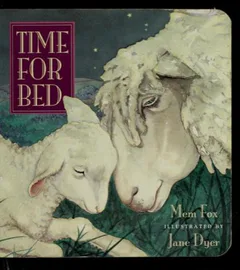 Time for BedAges 0–4 · 2.5 min · about 130 wordsFull book page
- Estimated read-aloud time
- about 2.5 minutes
- Words
- 130approximate
- Sentences per spread
- 1
- Re-read tolerance
- 4/5good repeat appeal
- Vocabulary
- 2/5everyday words
- Ages
- 0–4
Book features rhymes · repeated refrain
Why it worksEach spread pairs an animal parent with a young one in a slow rhyming invitation to settle, then hands the pattern to a human parent and child. The repeating structure makes the final bedtime direction expected rather than abrupt.
Worth knowingThe animal sequence supplies mood more than plot, and the same goodnight pattern may feel long to a child seeking events. Goodnight Moon is even more room-bound; this title offers changing outdoor animals and a clearer parent-child refrain.
Full book page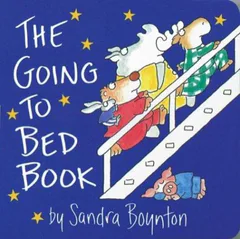 The Going-to-Bed BookAges 0–4 · 2 min · about 110 wordsFull book page
- Estimated read-aloud time
- about 2 minutes
- Words
- 110approximate
- Sentences per spread
- 1
- Re-read tolerance
- 5/5strong repeat appeal
- Vocabulary
- 1/5plain words
- Ages
- 0–4
Book features rhymes
Why it worksThe animal passengers bathe, dress, brush, exercise and finally climb into bunks while their boat rocks beneath the moon. The absurd exercise stop interrupts a recognizable routine without preventing the ending from settling.
Worth knowingThe order is intentionally silly—exercise follows toothbrushing and pajamas—so it should not be used as a literal bedtime checklist. Goodnight Moon offers a quieter fixed-room ritual; this book adds movement and group comedy.
Full book page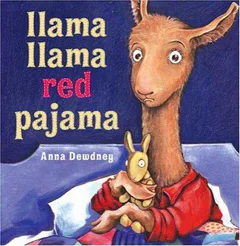 Llama Llama Red PajamaAges 2–4 · 4.5 min · 233 wordsFull book page
- Estimated read-aloud time
- about 4.5 minutes
- Words
- 233
- Sentences per spread
- 2
- Re-read tolerance
- 5/5strong repeat appeal
- Vocabulary
- 2/5everyday words
- Ages
- 2–4
Book features rhymes · repeated refrain · join-in questions
Why it worksBaby Llama's worry rises through a chain of unanswered calls while Mama is occupied downstairs, and the rhyme tightens around that escalation. Mama's return does more than end the crying: she names the continuing connection between them and also sets a limit on the shouting.
Worth knowingThe middle pages dwell on separation panic rather than providing an immediately soothing bedtime script. Goodnight Moon is the quieter alternative for a routine already winding down; this title is more useful when the worry itself needs to be named.
Full book page
Choose the kind of closing pattern
Ten, Nine, Eight narrows the session through a countdown. Goodnight Moon revisits objects in a room. Time for Bed repeats a settling invitation through pairs of animals. The distinction is practical: a number sequence, a familiar place and an animal pattern give you different ways to recognize an ending. Choose the one whose repetition you actually want to share.
The Going to Bed Book includes a comic group routine, so the topic of bedtime does not make every moment a realistic model of getting ready for bed. You can enjoy its sequence as fiction without turning each action into an instruction.
Watch the energy and the tension
Don’t Let the Pigeon Stay Up Late invites disagreement with a character; How Do Dinosaurs Say Good Night? makes behavior comic through dinosaurs; Again! puts repeated demands for a story inside the story itself. These can suit an animated reading, but they offer a different interaction from quietly naming objects in a room.
Llama Llama Red Pajama and Owl Babies include separation before reassurance. If waiting for a caregiver is already the difficult part of the evening, check the actual incident rather than relying on the final comforting image. A happy ending and a low word count do not describe the emotional route to that ending.
Use time estimates as comparisons
The estimate describes a possible reading pace; it cannot predict pauses, requests to revisit a picture or the number of rereadings. For a bounded evening session, agree on the particular book or ending you will share. Do not promise that the book will make a child fall asleep. Keep the choice useful even on an evening when the routine takes longer than expected.
Compare every cover and read-aloud time
Open any book for its details, review and things worth knowing, right here. Read-aloud times are estimates for an unhurried pace, including time for page-turning and looking at pictures. How Owl and Page estimates read-aloud time.
- The Going-to-Bed BookAges 0–4 · 2 min · about 110 wordsFull book page
- Estimated read-aloud time
- about 2 minutes
- Words
- 110approximate
- Sentences per spread
- 1
- Re-read tolerance
- 5/5strong repeat appeal
- Vocabulary
- 1/5plain words
- Ages
- 0–4
Book features rhymes
Why it worksThe animal passengers bathe, dress, brush, exercise and finally climb into bunks while their boat rocks beneath the moon. The absurd exercise stop interrupts a recognizable routine without preventing the ending from settling.
Worth knowingThe order is intentionally silly—exercise follows toothbrushing and pajamas—so it should not be used as a literal bedtime checklist. Goodnight Moon offers a quieter fixed-room ritual; this book adds movement and group comedy.
Full book page- Ten, Nine, EightAges 0–4 · 2.5 min · 69 wordsFull book page
- Estimated read-aloud time
- about 2.5 minutes
- Words
- 69
- Sentences per spread
- 1
- Re-read tolerance
- 4/5good repeat appeal
- Vocabulary
- 1/5plain words
- Ages
- 0–4
Book features rhymes · repeated refrain · join-in questions
Why it worksA father and daughter count backward through toes, buttons, shoes, windows and bedroom objects until one child is tucked in. The decreasing numbers give the routine a visible endpoint and invite searching on every spread.
Worth knowingSome counted objects are decorative rather than steps in a bedtime routine. Goodnight Moon uses repeated farewells for the same slowing purpose; Ten, Nine, Eight gives the listener a numerical path to completion.
Full book page- Time for BedAges 0–4 · 2.5 min · about 130 wordsFull book page
- Estimated read-aloud time
- about 2.5 minutes
- Words
- 130approximate
- Sentences per spread
- 1
- Re-read tolerance
- 4/5good repeat appeal
- Vocabulary
- 2/5everyday words
- Ages
- 0–4
Book features rhymes · repeated refrain
Why it worksEach spread pairs an animal parent with a young one in a slow rhyming invitation to settle, then hands the pattern to a human parent and child. The repeating structure makes the final bedtime direction expected rather than abrupt.
Worth knowingThe animal sequence supplies mood more than plot, and the same goodnight pattern may feel long to a child seeking events. Goodnight Moon is even more room-bound; this title offers changing outdoor animals and a clearer parent-child refrain.
Full book page- Goodnight MoonAges 0–4 · 3.5 min · 131 wordsFull book page
- Estimated read-aloud time
- about 3.5 minutes
- Words
- 131
- Sentences per spread
- 1
- Re-read tolerance
- 5/5strong repeat appeal
- Vocabulary
- 1/5plain words
- Ages
- 0–4
Book features rhymes · repeated refrain · join-in questions
Why it worksAlternating room views and close-up objects turn a fixed bedroom into a visual inventory, while the light falls and the old lady's whisper gives way to silence. The mouse's changing location provides a small search task inside the repeated goodnights.
Worth knowingThere is no conventional conflict or event sequence, and some named objects are deliberately odd. Time for Bed moves through animal parent-and-child pairs; Goodnight Moon stays in one room and reduces stimulation by repetition.
Full book page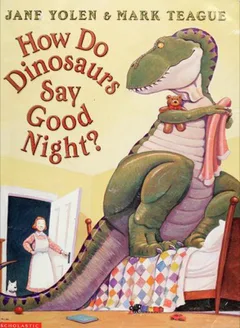 How Do Dinosaurs Say Good Night?Ages 2–5 · 3.5 min · 152 wordsFull book page
- Estimated read-aloud time
- about 3.5 minutes
- Words
- 152
- Sentences per spread
- 1
- Re-read tolerance
- 5/5strong repeat appeal
- Vocabulary
- 2/5everyday words
- Ages
- 2–5
Book features rhymes · repeated refrain · join-in questions
Why it worksQuestions about dinosaur bedtime misbehavior lead into affectionate goodnight actions, letting children compare familiar routines with an outsized comic character.
Worth knowingThe earlier questions give plenty of attention to refusal and noisy behavior. Read the kind ending as part of the story rather than turning the book into a test of a child's bedtime manners.
Full book page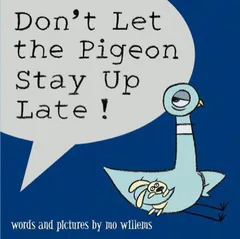 Don't Let the Pigeon Stay Up Late!Ages 2–5 · 4 min · 197 wordsFull book page
- Estimated read-aloud time
- about 4 minutes
- Words
- 197
- Sentences per spread
- 1
- Re-read tolerance
- 5/5strong repeat appeal
- Vocabulary
- 2/5everyday words
- Ages
- 2–5
Book features repeated refrain · join-in questions
Why it worksDirect address makes the child responsible for holding one boundary while Pigeon’s own body contradicts every argument.
Worth knowingThe energetic back-and-forth can stimulate at bedtime, and children may copy the delay tactics even while rejecting them.
Full book page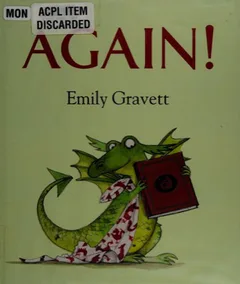 Again!Ages 2–5 · 4.5 min · 274 wordsFull book page
- Estimated read-aloud time
- about 4.5 minutes
- Words
- 274
- Sentences per spread
- 2
- Re-read tolerance
- 5/5strong repeat appeal
- Vocabulary
- 2/5everyday words
- Ages
- 2–5
Book features rhymes · repeated refrain · join-in questions
Why it worksCedric repeatedly demands the same bedtime story while his mother grows sleepier and alters her delivery. The page damage at the end makes the child’s mounting frustration a physical part of the book.
Worth knowingThe exhausted-parent comedy and fiery ending can energize rather than settle bedtime. Editions with die-cut or damaged-looking pages should be distinguished from actual wear.
Full book page- Llama Llama Red PajamaAges 2–4 · 4.5 min · 233 wordsFull book page
- Estimated read-aloud time
- about 4.5 minutes
- Words
- 233
- Sentences per spread
- 2
- Re-read tolerance
- 5/5strong repeat appeal
- Vocabulary
- 2/5everyday words
- Ages
- 2–4
Book features rhymes · repeated refrain · join-in questions
Why it worksBaby Llama's worry rises through a chain of unanswered calls while Mama is occupied downstairs, and the rhyme tightens around that escalation. Mama's return does more than end the crying: she names the continuing connection between them and also sets a limit on the shouting.
Worth knowingThe middle pages dwell on separation panic rather than providing an immediately soothing bedtime script. Goodnight Moon is the quieter alternative for a routine already winding down; this title is more useful when the worry itself needs to be named.
Full book page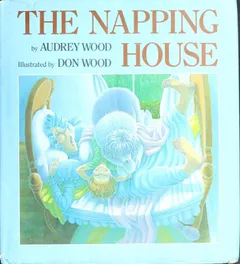 The Napping HouseAges 2–5 · 4.5 min · 268 wordsFull book page
- Estimated read-aloud time
- about 4.5 minutes
- Words
- 268
- Sentences per spread
- 1
- Re-read tolerance
- 5/5strong repeat appeal
- Vocabulary
- 2/5everyday words
- Ages
- 2–5
Book features rhymes · repeated refrain · join-in questions
Why it worksA precisely ordered sleep stack and cumulative refrain create both a memory pattern and the mechanics of the final collapse.
Worth knowingThe crowded pile and crash are comic but may concern children worried about falling or being trapped under others.
Full book page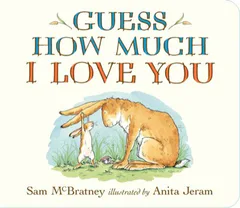 Guess How Much I Love YouAges 2–5 · 5 min · 375 wordsFull book page
- Estimated read-aloud time
- about 5 minutes
- Words
- 375
- Sentences per spread
- 2
- Re-read tolerance
- 3/5holds up
- Vocabulary
- 2/5everyday words
- Ages
- 2–5
Book features repeated refrain · join-in questions
Why it worksLittle Nutbrown Hare tries to measure love through arm span, height, hopping and distance; Big Nutbrown Hare answers in the same units at a larger scale. The repeated comparison turns affection into a physical game a child can imitate.
Worth knowingThe larger hare always wins the contest, which can frustrate a child who hears it as competition. Time for Bed offers mutual caregiving without measurement; this title is better for playful exaggeration and a final bedtime exchange.
Full book page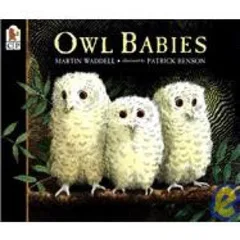 Owl BabiesAges 2–5 · 5 min · 325 wordsFull book page
- Estimated read-aloud time
- about 5 minutes
- Words
- 325
- Sentences per spread
- 1
- Re-read tolerance
- 5/5strong repeat appeal
- Vocabulary
- 2/5everyday words
- Ages
- 2–5
Book features repeated refrain · join-in questions
Why it worksSarah, Percy and Bill respond differently when their mother is absent, and their repeated exchange grows from explanation to huddling to Bill's blunt wish before her return.
Worth knowingThe mother leaves without explanation and the night setting can intensify separation worry. Llama Llama Misses Mama shows a full school day and gradual participation before reunion.
Full book page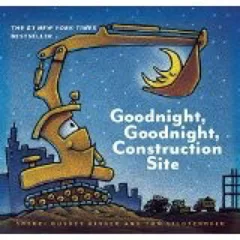 Goodnight, Goodnight, Construction SiteAges 2–5 · 6.5 min · 526 wordsFull book page
- Estimated read-aloud time
- about 6.5 minutes
- Words
- 526
- Sentences per spread
- 2
- Re-read tolerance
- 4/5good repeat appeal
- Vocabulary
- 2/5everyday words
- Ages
- 2–5
Book features rhymes · repeated refrain
Why it worksEach machine finishes one recognizable job before performing a machine-specific bedtime routine, linking technical vocabulary to a repeated wind-down pattern.
Full book page