Books About Anxiety for Preschoolers
When a preschooler is feeling anxious, they often don't have the words to explain why. These books can help give them language to name a heavy feeling. Different worries might call for different books, and I've grouped these by the specific type of worry they address. I've also included read-aloud times, since a worried child might not have the patience for a long story. If worry persists or interferes with eating, sleep, school, or daily life, please talk to a professional.
- Books on this list
- 10
- Shortest read
- 4.5 minutesThe Invisible String
- Longest read
- 9.5 minutesSchool's First Day of School
- Three minutes or under
- 0 of 10


Our top picks
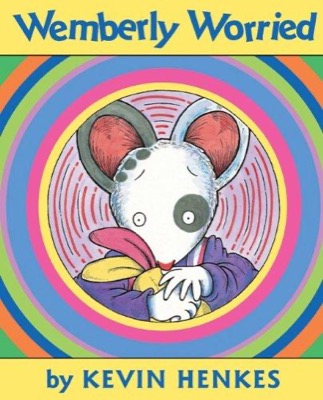 Wemberly WorriedAges 4–6 · 6.5 min · 525 wordsView full book page
- Estimated read-aloud time
- about 6.5 minutes
- Words
- 525
- Sentences a page
- 2
- Re-read tolerance
- 3/5holds up
- Vocabulary
- 3/5a few new words
- Age range
- 4–6
Book features repeated refrain
Why it worksWemberly’s worries are detailed in small, specific ways—like a crack in the wall—that an anxious child will recognize. The solution isn't telling them to stop worrying, but finding a friend who worries, too.
View the full book page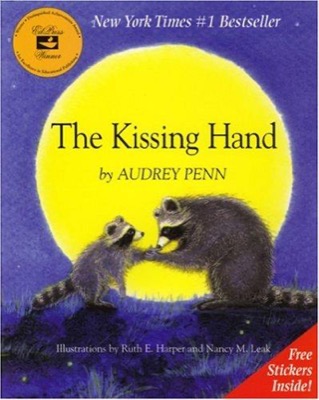 The Kissing HandAges 4–6 · 6 min · 457 wordsView full book page
- Estimated read-aloud time
- about 6 minutes
- Words
- 457our estimate, not a published count
- Sentences a page
- 3
- Re-read tolerance
- 3/5holds up
- Vocabulary
- 3/5a few new words
- Age range
- 4–6
Why it worksThis book provides a tangible ritual—kissing a palm and folding fingers over it—that a child can carry into the classroom. It’s a tool for managing the goodbye that families often continue to use long after the book is shelved.
Worth knowingThis is a gentle, serious book rather than a funny one. The sentiment hits the parent just as hard as the child, and a high-energy four-year-old may struggle to sit still.
View the full book page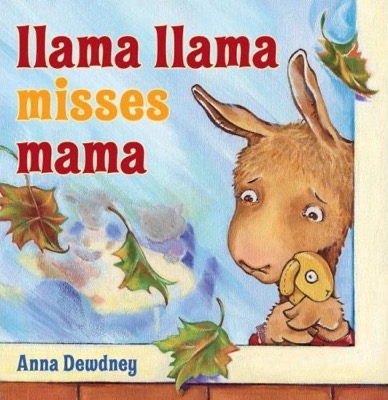 Llama Llama Misses MamaAges 2–4 · 5 min · 352 wordsView full book page
- Estimated read-aloud time
- about 5 minutes
- Words
- 352our estimate, not a published count
- Sentences a page
- 2
- Re-read tolerance
- 4/5survives a fortnight on repeat
- Vocabulary
- 2/5everyday words
- Age range
- 2–4
Book features rhymes · repeated refrain
Why it worksLlama cries at drop-off, plays anyway, and is still glad to see mama at pick-up. It refuses to pretend the crying doesn't happen, making it a great resource for children facing the reality of nursery or daycare separation.
View the full book page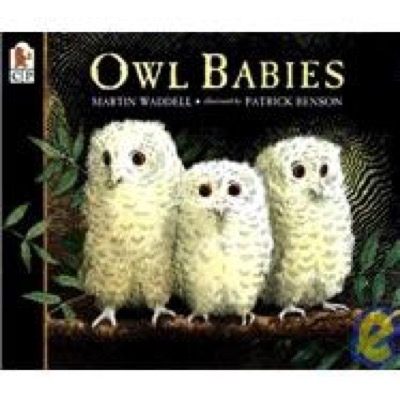 Owl BabiesAges 2–5 · 5 min · 325 wordsView full book page
- Estimated read-aloud time
- about 5 minutes
- Words
- 325
- Sentences a page
- 1
- Re-read tolerance
- 5/5still fine on the fortieth reading
- Vocabulary
- 2/5everyday words
- Age range
- 2–5
Book features repeated refrain · join-in questions
Why it worksThree owlets wait for their mother to return, with one repeatedly calling out, "I want my mummy!" It’s a rhythmic, comforting story about the reassurance of a mother's return.
View the full book page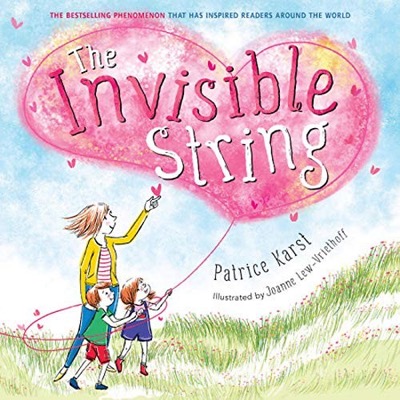 The Invisible StringAges 3–6 · 4.5 min · 329 wordsView full book page
- Estimated read-aloud time
- about 4.5 minutes
- Words
- 329
- Sentences a page
- 2
- Re-read tolerance
- 4/5survives a fortnight on repeat
- Vocabulary
- 2/5everyday words
- Age range
- 3–6
Book features repeated refrain
Why it worksA simple, powerful image of a string of love connecting hearts helps explain how we stay connected to loved ones, whether they are at the nursery or have passed away. It’s a tool for daily reassurance.
Worth knowingThis book mentions heaven and repeats its core concept rather than using a dramatic narrative. Some children might find it feels more like a lesson than a story.
View the full book page
Compare every cover and read-aloud time
Open any book for its measurements, parent notes and things worth knowing, right here. Read-aloud times are estimates for an unhurried pace, including time for page-turning and looking at pictures. How Owl and Page estimates read-aloud time.
Book group 1 of 3
Worry about being left
- The Invisible StringAges 3–6 · 4.5 min · 329 wordsView full book page
- Estimated read-aloud time
- about 4.5 minutes
- Words
- 329
- Sentences a page
- 2
- Re-read tolerance
- 4/5survives a fortnight on repeat
- Vocabulary
- 2/5everyday words
- Age range
- 3–6
Book features repeated refrain
Why it worksA simple, powerful image of a string of love connecting hearts helps explain how we stay connected to loved ones, whether they are at the nursery or have passed away. It’s a tool for daily reassurance.
Worth knowingThis book mentions heaven and repeats its core concept rather than using a dramatic narrative. Some children might find it feels more like a lesson than a story.
View the full book page- Llama Llama Misses MamaAges 2–4 · 5 min · 352 wordsView full book page
- Estimated read-aloud time
- about 5 minutes
- Words
- 352our estimate, not a published count
- Sentences a page
- 2
- Re-read tolerance
- 4/5survives a fortnight on repeat
- Vocabulary
- 2/5everyday words
- Age range
- 2–4
Book features rhymes · repeated refrain
Why it worksLlama cries at drop-off, plays anyway, and is still glad to see mama at pick-up. It refuses to pretend the crying doesn't happen, making it a great resource for children facing the reality of nursery or daycare separation.
View the full book page- Owl BabiesAges 2–5 · 5 min · 325 wordsView full book page
- Estimated read-aloud time
- about 5 minutes
- Words
- 325
- Sentences a page
- 1
- Re-read tolerance
- 5/5still fine on the fortieth reading
- Vocabulary
- 2/5everyday words
- Age range
- 2–5
Book features repeated refrain · join-in questions
Why it worksThree owlets wait for their mother to return, with one repeatedly calling out, "I want my mummy!" It’s a rhythmic, comforting story about the reassurance of a mother's return.
View the full book page- The Kissing HandAges 4–6 · 6 min · 457 wordsView full book page
- Estimated read-aloud time
- about 6 minutes
- Words
- 457our estimate, not a published count
- Sentences a page
- 3
- Re-read tolerance
- 3/5holds up
- Vocabulary
- 3/5a few new words
- Age range
- 4–6
Why it worksThis book provides a tangible ritual—kissing a palm and folding fingers over it—that a child can carry into the classroom. It’s a tool for managing the goodbye that families often continue to use long after the book is shelved.
Worth knowingThis is a gentle, serious book rather than a funny one. The sentiment hits the parent just as hard as the child, and a high-energy four-year-old may struggle to sit still.
View the full book page
Book group 2 of 3
Worry about school or nursery
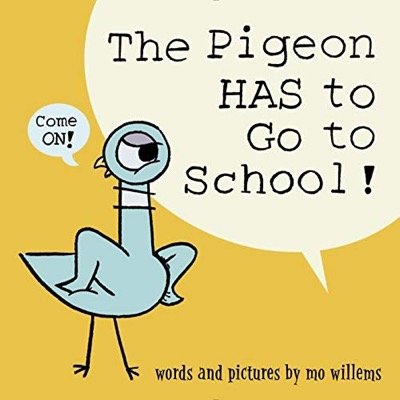 The Pigeon HAS to Go to School!Ages 3–5 · 4.5 min · 240 wordsView full book page
- Estimated read-aloud time
- about 4.5 minutes
- Words
- 240
- Sentences a page
- 1
- Re-read tolerance
- 4/5survives a fortnight on repeat
- Vocabulary
- 2/5everyday words
- Age range
- 3–5
Book features repeated refrain · join-in questions
Why it worksThe pigeon's hilarious objections to school are things many children feel but can't quite articulate. It’s a great way to open up a conversation about school-day anxieties through humor.
View the full book page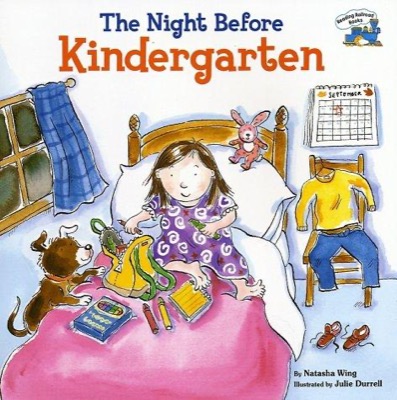 The Night Before KindergartenAges 4–6 · 5 min · 350 wordsView full book page
- Estimated read-aloud time
- about 5 minutes
- Words
- 350our estimate, not a published count
- Sentences a page
- 2
- Re-read tolerance
- 3/5holds up
- Vocabulary
- 2/5everyday words
- Age range
- 4–6
Book features rhymes
Why it worksUsing the "Night Before Christmas" meter makes the transition to school feel like an exciting event. The twist—that the parents are the ones crying at drop-off—is a reliable way to get a laugh from a nervous five-year-old.
Worth knowingThe story uses an American kindergarten framework, so families in the UK might need to adjust the concept for their own "reception" school terminology.
View the full book page- Wemberly WorriedAges 4–6 · 6.5 min · 525 wordsView full book page
- Estimated read-aloud time
- about 6.5 minutes
- Words
- 525
- Sentences a page
- 2
- Re-read tolerance
- 3/5holds up
- Vocabulary
- 3/5a few new words
- Age range
- 4–6
Book features repeated refrain
Why it worksWemberly’s worries are detailed in small, specific ways—like a crack in the wall—that an anxious child will recognize. The solution isn't telling them to stop worrying, but finding a friend who worries, too.
View the full book page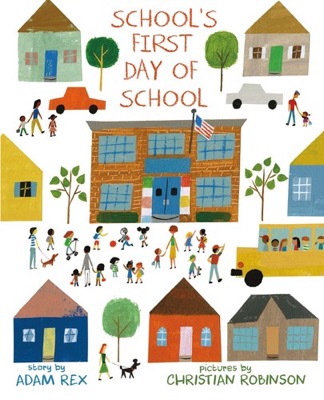 School's First Day of SchoolAges 4–6 · 9.5 min · 852 wordsView full book page
- Estimated read-aloud time
- about 9.5 minutes
- Words
- 852our estimate, not a published count
- Sentences a page
- 3
- Re-read tolerance
- 4/5survives a fortnight on repeat
- Vocabulary
- 3/5a few new words
- Age range
- 4–6
Why it worksBy making the school building the nervous character, this book flips the perspective. It allows the child to step into the role of the comforter, which is a great way to help children who resist being reassured.
View the full book page
Book group 3 of 3
Putting a name to the worry
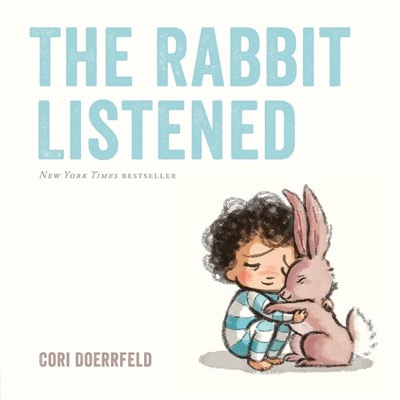 The Rabbit ListenedAges 3–6 · 4.5 min · 296 wordsView full book page
- Estimated read-aloud time
- about 4.5 minutes
- Words
- 296
- Sentences a page
- 1
- Re-read tolerance
- 4/5survives a fortnight on repeat
- Vocabulary
- 2/5everyday words
- Age range
- 3–6
Book features repeated refrain
Why it worksWhen Taylor's block tower is knocked down, the animals offer the wrong things—shouting or fixing—until the rabbit simply stays. It gives children language for 'I don't want to talk yet' and is short enough for an upset child.
View the full book page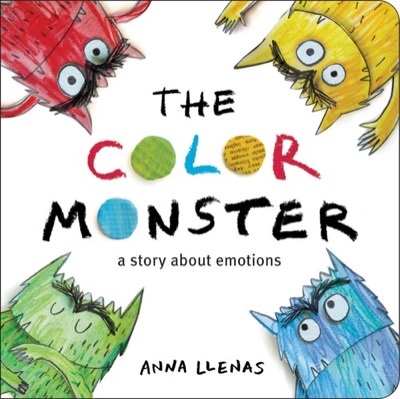 The Color Monster: A Story About EmotionsAges 3–5 · 5 min · 320 wordsView full book page
- Estimated read-aloud time
- about 5 minutes
- Words
- 320our estimate, not a published count
- Sentences a page
- 2
- Re-read tolerance
- 4/5survives a fortnight on repeat
- Vocabulary
- 2/5everyday words
- Age range
- 3–5
Book features repeated refrain · join-in questions
Why it worksEach feeling gets a color and its own jar, so a child who cannot say 'I am frustrated' can point at a color instead. After a few readings, families often start using the shorthand in real life.
Worth knowingThe book suggests that emotions should be sorted and put away, which is a bit of a simplification for complex feelings.
View the full book page
Questions parents ask
- Do books about worry make a child worry more?
- Giving a child words for their feelings can help open up a conversation. I've noted books that focus on something frightening without a resolution.
- When should a book not be the answer?
- If a child's anxiety is preventing them from sleeping, eating, or leaving the house, a picture book isn't a substitute for professional help. Think of these books as a way to start a conversation, not a treatment. If the worry seems persistent, it's worth chatting with your GP or a health visitor.
- What age are these for?
- Most are intended for ages three to five. Some are suitable for two-year-olds (marked as such), but keep in mind that younger toddlers usually need to see a feeling expressed visually rather than having it explained through a complex story.