A House for Hermit Crab
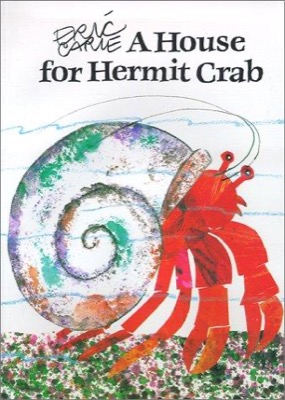
By framing a move through a month-by-month structure, this book turns the idea of changing homes into an adventure of decorating and making friends. It offers a gentle, logical way to view life changes.
A House for Hermit Crab by Eric Carle is estimated to take about 9.5 minutes to read aloud (807 words, about 2 sentences a page), and it lands best with children aged 3-6.
Check the book on AmazonAffiliate link
- Estimated read-aloud time
- about 9.5 minutesEstimated read-aloud time
- Word count
- 807Counted words
- Sentences per page
- 2Sentences per page
- Re-read tolerance
- 4/5repeat friendly
- Vocabulary level
- 3/5a few new words
- Best for
- Ages 3-6Our editorial fit
Our review
The story follows a crab outgrowing his shell and looking for a new one. The month-by-month progression makes the concept of moving feel organized and social.
It ends on a particularly sweet note, showing how the old shell can be used by someone else, which provides a very satisfying conclusion.

Before you buy it
This works more as a twelve-month calendar than a traditional plot. Children looking for an actual story arc might find themselves drifting away by August.
Themes
- moving
- sea creatures
- months
- growing
Books like A House for Hermit Crab
Matched by refrain, density, length, and listener—not just the subject.
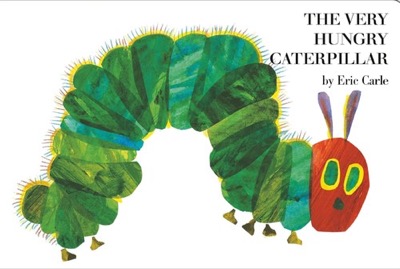 The Very Hungry Caterpillarabout 4 minutes estimated · 5/5 re-read
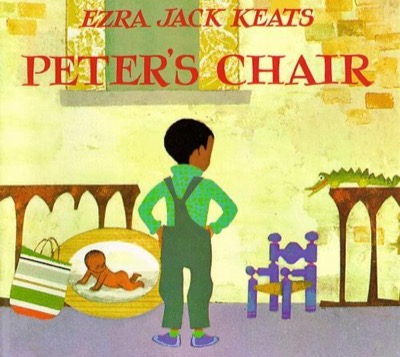 Peter's Chairabout 4.5 minutes estimated · 3/5 re-read
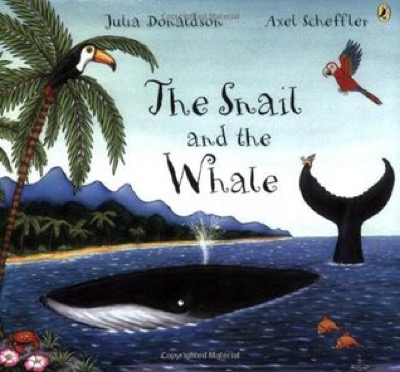 The Snail and the Whaleabout 8 minutes estimated · 4/5 re-read
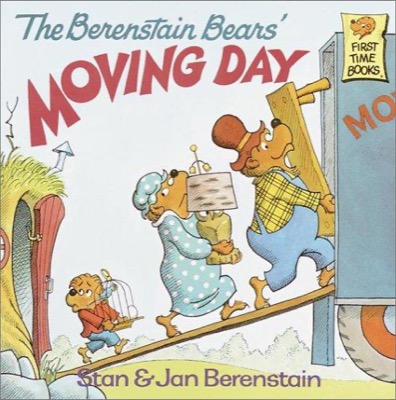 The Berenstain Bears' Moving Dayabout 9.5 minutes estimated · 3/5 re-read
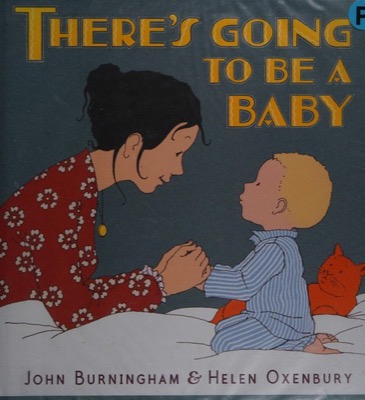 There's Going to Be a Babyabout 6 minutes estimated · 3/5 re-read
Questions parents ask
How long does it take to read A House for Hermit Crab aloud?
About 9.5 minutes at an unhurried pace, including a standard allowance for page turns, pictures and participation, from a word count of 807. Stopping for a longer conversation on every page will add more time.
What age is A House for Hermit Crab actually for?
Ages 3-6 in our testing, which is narrower than the publisher's range. With 2 sentences a page and vocabulary at 3 out of 5, it asks for that much attention span and no more.
Does A House for Hermit Crab survive being read on repeat?
Yes. It survives a fortnight of nightly repeats, which is the real test.
Is A House for Hermit Crab a good book for a child who will not sit still?
It helps that it has a refrain a child can join in with, and it asks the child questions to answer out loud. Those three features are what keep a wriggling toddler listening, far more than the subject matter does.
Will my child memorise A House for Hermit Crab?
Probably, and fast. The book leans on a repeated refrain, and at 4 out of 5 for re-read tolerance it survives the nightly repeats that get a book memorised. Expect your child to chant the pattern back before they can actually read.
Can a beginning reader read A House for Hermit Crab on their own?
Not yet. At vocabulary level 3 out of 5 and 2 sentences a page, it is a read-aloud book rather than a first solo read. Read it to them now, and hand it over in a year or two.
What themes does A House for Hermit Crab cover?
We tag it with moving, sea creatures, months and growing. Those are the threads that actually run through the book, not just the ones on the cover, which is how it earns its place on our themed lists rather than a keyword match.