
Bringing the Rain to Kapiti Plain
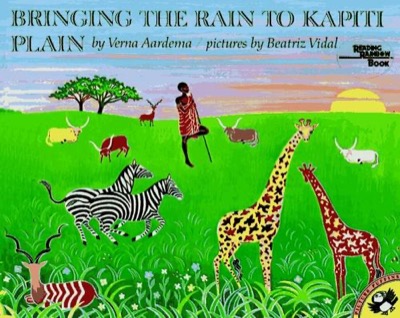
Based on the cumulative verse of The House That Jack Built, this rhythmic story builds a long chain of repetitive elements, from an eagle feather to the falling rain. It is designed for chanting aloud.
Bringing the Rain to Kapiti Plain by Verna Aardema is estimated to take about 9 minutes to read aloud (717 words, about 2 sentences a page), and it lands best with children aged 4-6.
Check the book on AmazonAffiliate link
- Estimated read-aloud time
- about 9 minutesEstimated read-aloud time
- Word count
- 717Counted words
- Sentences per page
- 2Sentences per page
- Re-read tolerance
- 4/5repeat friendly
- Vocabulary level
- 3/5a few new words
- Best for
- Ages 4-6Our editorial fit
Our review
The cumulative structure makes this a highly interactive reading experience. As the story progresses and the lines get longer, children will likely start predicting the next part of the sequence, making it a great way to build memory and confidence.
It is particularly well-suited for a read-aloud setting where you want the kids to join in. The rhythmic, chanting quality keeps them engaged even as the verbal complexity increases.

Before you buy it
The cumulative verse gets quite long by the end, and you may need to briefly explain Kenyan terms like "kraal" or "Kapiti" as you read.
Themes
- rain
- Kenya
- cumulative verse
- cattle
- drought
Books like Bringing the Rain to Kapiti Plain
Matched by refrain, density, length, and listener—not just the subject.
 We're Going on a Bear Huntabout 6 minutes estimated · 5/5 re-read
 The Napping Houseabout 4.5 minutes estimated · 5/5 re-read
 If You Give a Mouse a Cookieabout 5 minutes estimated · 5/5 re-read
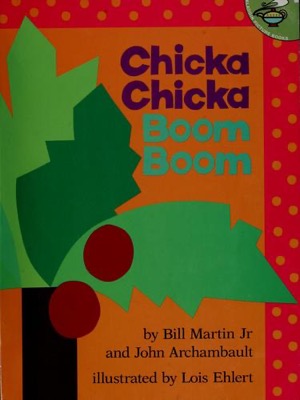 Chicka Chicka Boom Boomabout 5 minutes estimated · 5/5 re-read
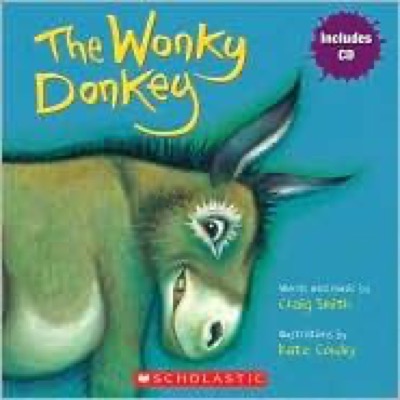 The Wonky Donkeyabout 6 minutes estimated · 4/5 re-read
Questions parents ask
How long does it take to read Bringing the Rain to Kapiti Plain aloud?
About 9 minutes at an unhurried pace, including a standard allowance for page turns, pictures and participation, from a word count of 717. Stopping for a longer conversation on every page will add more time.
What age is Bringing the Rain to Kapiti Plain actually for?
Ages 4-6 in our testing, which is narrower than the publisher's range. With 2 sentences a page and vocabulary at 3 out of 5, it asks for that much attention span and no more.
Does Bringing the Rain to Kapiti Plain survive being read on repeat?
Yes. It survives a fortnight of nightly repeats, which is the real test.
Is Bringing the Rain to Kapiti Plain a good book for a child who will not sit still?
It helps that it rhymes, and it has a refrain a child can join in with, and it asks the child questions to answer out loud. Those three features are what keep a wriggling toddler listening, far more than the subject matter does.
Will my child memorise Bringing the Rain to Kapiti Plain?
Probably, and fast. The book leans on a repeated refrain, and at 4 out of 5 for re-read tolerance it survives the nightly repeats that get a book memorised. Expect your child to chant the pattern back before they can actually read.
Can a beginning reader read Bringing the Rain to Kapiti Plain on their own?
Not yet. At vocabulary level 3 out of 5 and 2 sentences a page, it is a read-aloud book rather than a first solo read. Read it to them now, and hand it over in a year or two.
What themes does Bringing the Rain to Kapiti Plain cover?
We tag it with rain, Kenya, cumulative verse, cattle and drought. Those are the threads that actually run through the book, not just the ones on the cover, which is how it earns its place on our themed lists rather than a keyword match.