Clap Hands
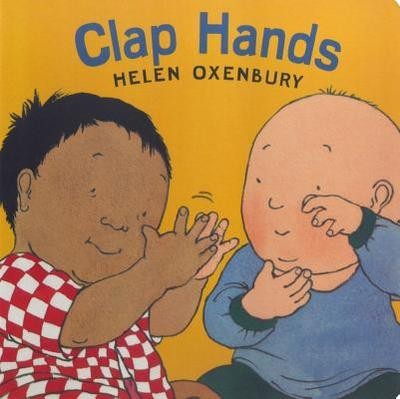
Four babies, four words a page, and every line is an instruction the child can obey from your lap—clap, wave, bang the drum. Oxenbury draws real babies of different sizes and skin tones, which is why children recognize themselves in it.
Clap Hands by Helen Oxenbury is estimated to take about 2 minutes to read aloud (30 words, about 1 sentence a page), and it lands best with children aged 0-2.
Check the book on AmazonAffiliate link
- Estimated read-aloud time
- about 2 minutesEstimated read-aloud time
- Estimated word count
- 30Our estimate
- Sentences per page
- 1Sentence per page
- Re-read tolerance
- 4/5repeat friendly
- Vocabulary level
- 1/5plain words
- Best for
- Ages 0-2Our editorial fit
Our review
The simple instructions make this an interactive experience. With only four words per page, it focuses on baby actions like waving or clapping, which encourages the child to move along with the story.
Because the illustrations show diverse babies, it helps young children see themselves reflected in the pages. It's a great choice for a first book when you want to encourage early motor skills and imitation.
Before you buy it
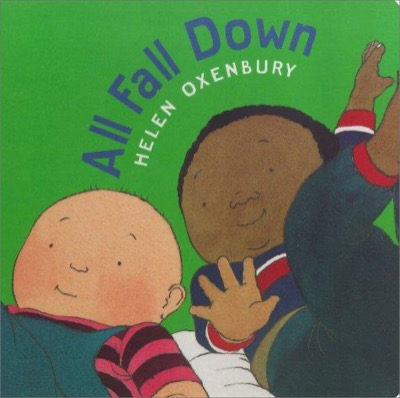
This is a very short, tiny book. It works much better as part of a four-book set rather than as a standalone read.
Themes
- babies
- actions
- copying
- first books
Books like Clap Hands
Matched by refrain, density, length, and listener—not just the subject.
Questions parents ask
How long does it take to read Clap Hands aloud?
About 2 minutes at an unhurried pace, including a standard allowance for page turns, pictures and participation, from a word count of 30. Stopping for a longer conversation on every page will add more time.
What age is Clap Hands actually for?
Ages 0-2 in our testing, which is narrower than the publisher's range. With 1 sentence a page and vocabulary at 1 out of 5, it asks for that much attention span and no more.
Does Clap Hands survive being read on repeat?
Yes. It survives a fortnight of nightly repeats, which is the real test.
Is Clap Hands a good book for a child who will not sit still?
It helps that it rhymes, and it has a refrain a child can join in with, and it asks the child questions to answer out loud. Those three features are what keep a wriggling toddler listening, far more than the subject matter does.
Will my child memorise Clap Hands?
Probably, and fast. The book leans on a repeated refrain, and at 4 out of 5 for re-read tolerance it survives the nightly repeats that get a book memorised. Expect your child to chant the pattern back before they can actually read.
Can a beginning reader read Clap Hands on their own?
It is closer than most picture books. With 1 sentence a page and plain vocabulary (1 out of 5), a confident early reader can attempt it, though it is written to be read aloud first.
What themes does Clap Hands cover?
We tag it with babies, actions, copying and first books. Those are the threads that actually run through the book, not just the ones on the cover, which is how it earns its place on our themed lists rather than a keyword match.
Lists Clap Hands is on
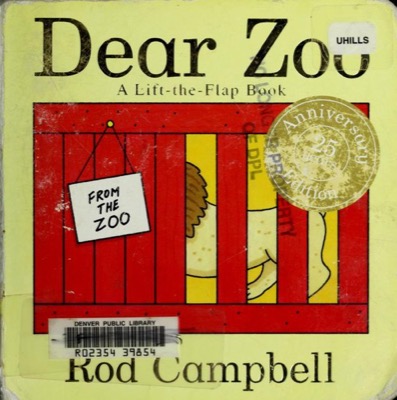 48 reviewed booksBooks for 1 Year OldsFind board books, touch-and-feel books, and flaps for 1 year olds. Includes realistic read-aloud times and age-appropriate selections.
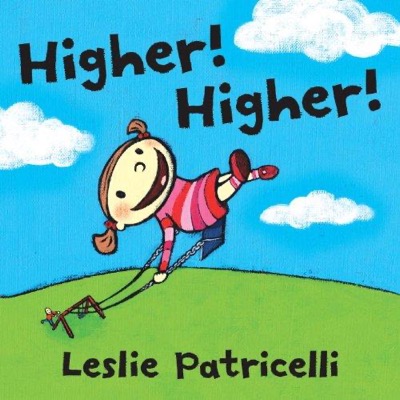 59 reviewed booksBoard BooksA curated list of 60 board books for ages 0-3, including read-aloud times and durability ratings for books that survive chewing and rereading.
- 30 reviewed booksBoard Books for BabiesHandpicked board books for babies (birth to age two) with read-aloud times and word counts to help you find books they'll actually love.
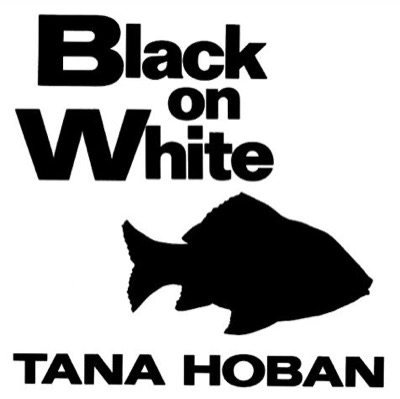 13 reviewed booksBoard Books for NewbornsThe best high-contrast and wordless board books for newborns, focusing on visual edges and rhythm. Includes read-aloud times.
- 28 reviewed booksBooks for an 18 Month OldFind 28 books for eighteen-month-olds. We look for titles with simple naming, fun refrains, and short read-aloud times.