Oxford Reading Tree: Floppy's Phonics: Sounds and Letters
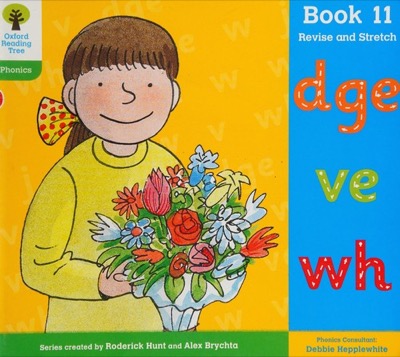
A teaching tool rather than a storybook, this focuses on sound practice. Children find letters and sounds hidden in busy scenes, repeating the sound every time they make a discovery.
Oxford Reading Tree: Floppy's Phonics: Sounds and Letters by Debbie Hepplewhite is estimated to take about 2.5 minutes to read aloud (60 words, about 1 sentence a page), and it lands best with children aged 4-6.
Check the book on AmazonAffiliate link
- Estimated read-aloud time
- about 2.5 minutesEstimated read-aloud time
- Estimated word count
- 60Our estimate
- Sentences per page
- 1Sentence per page
- Re-read tolerance
- 2/5a few readings
- Vocabulary level
- 1/5plain words
- Best for
- Ages 4-6Our editorial fit
Our review
This is a pure phonics resource designed to reinforce the synthetic phonics being taught in school. It is very much about repetition and sound recognition rather than narrative.
It is best used as a supplementary practice tool. It’s less of a bedtime read and more of a targeted learning activity.
Before you buy it
These are sold to schools in packs, making individual home copies expensive and hard to find. For home use, the "Read with Oxford" line is the consumer version.
Themes
- phonics
- letter sounds
- dogs
- decodable
Books like Oxford Reading Tree: Floppy's Phonics: Sounds and Letters
Matched by refrain, density, length, and listener—not just the subject.
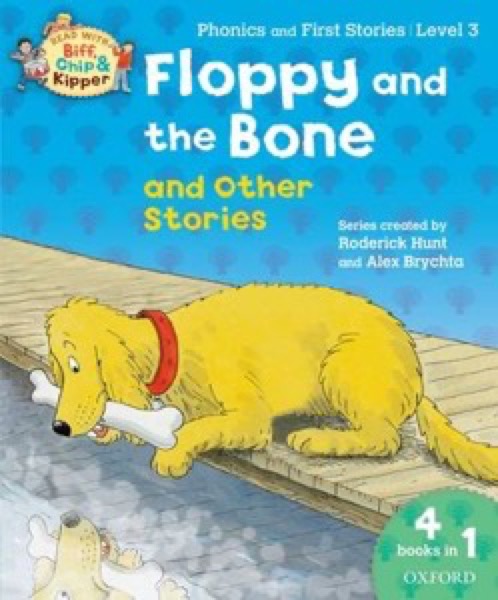 Read with Biff, Chip and Kipper: Floppy and the Bone and Other Storiesabout 4.5 minutes estimated · 3/5 re-read
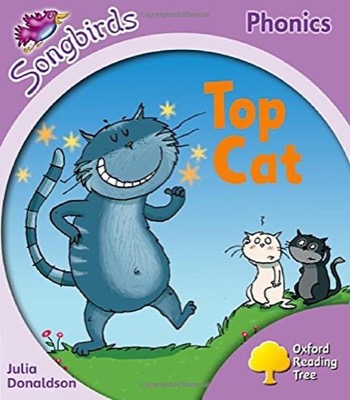 Oxford Reading Tree Songbirds Phonics: Level 1+: Top Catabout 1.5 minutes estimated · 4/5 re-read
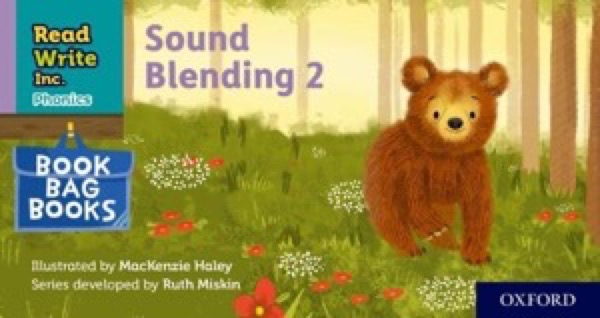 Read Write Inc. Phonics: Sound Blending Book Bag Book 2about 2 minutes estimated · 2/5 re-read
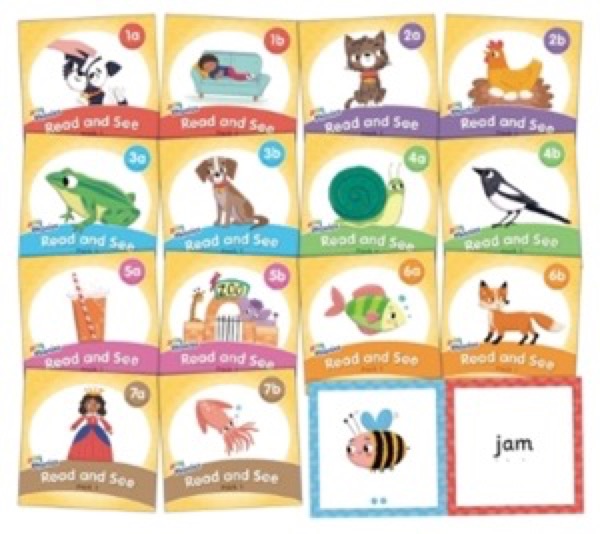 Jolly Phonics Read and See, Pack 1about 4.5 minutes estimated · 3/5 re-read
 Phonics Learn at Home Pack 1 (Bug Club), Phonics Sets 1-3 for Ages 4-5about 3.5 minutes estimated · 2/5 re-read
Questions parents ask
How long does it take to read Oxford Reading Tree: Floppy's Phonics: Sounds and Letters aloud?
About 2.5 minutes at an unhurried pace, including a standard allowance for page turns, pictures and participation, from a word count of 60. Stopping for a longer conversation on every page will add more time.
What age is Oxford Reading Tree: Floppy's Phonics: Sounds and Letters actually for?
Ages 4-6 in our testing, which is narrower than the publisher's range. With 1 sentence a page and vocabulary at 1 out of 5, it asks for that much attention span and no more.
Does Oxford Reading Tree: Floppy's Phonics: Sounds and Letters survive being read on repeat?
For a while. Expect it to hold up for a handful of readings rather than a season.
Is Oxford Reading Tree: Floppy's Phonics: Sounds and Letters a good book for a child who will not sit still?
It helps that it has a refrain a child can join in with, and it asks the child questions to answer out loud. Those three features are what keep a wriggling toddler listening, far more than the subject matter does.
Will my child memorise Oxford Reading Tree: Floppy's Phonics: Sounds and Letters?
Probably, and fast. The book leans on a repeated refrain, and at 2 out of 5 for re-read tolerance it survives the nightly repeats that get a book memorised. Expect your child to chant the pattern back before they can actually read.
Can a beginning reader read Oxford Reading Tree: Floppy's Phonics: Sounds and Letters on their own?
It is closer than most picture books. With 1 sentence a page and plain vocabulary (1 out of 5), a confident early reader can attempt it, though it is written to be read aloud first.
Is Oxford Reading Tree: Floppy's Phonics: Sounds and Letters part of a series?
Yes, it belongs to the Floppy's Phonics series. It stands on its own, so you can start here without reading the others in order, then move to the rest if it lands.
What themes does Oxford Reading Tree: Floppy's Phonics: Sounds and Letters cover?
We tag it with phonics, letter sounds, dogs and decodable. Those are the threads that actually run through the book, not just the ones on the cover, which is how it earns its place on our themed lists rather than a keyword match.