Skeleton Hiccups
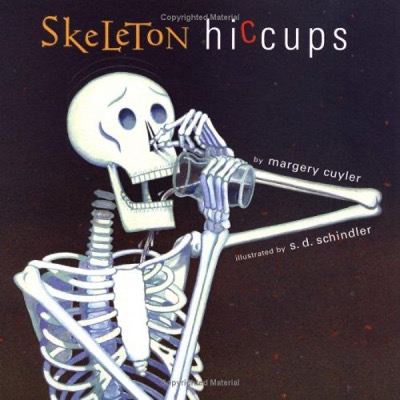
A skeleton tries to go about his daily routine—showering, brushing teeth, and carving pumpkins—but is interrupted by constant hiccups. It is a funny, repetitive book where the child can provide the "hic" sound every time.
Skeleton Hiccups by Margery Cuyler is estimated to take about 3.5 minutes to read aloud (114 words, about 1 sentence a page), and it lands best with children aged 2-5.
Check the book on AmazonAffiliate link
- Estimated read-aloud time
- about 3.5 minutesEstimated read-aloud time
- Word count
- 114Counted words
- Sentences per page
- 1Sentence per page
- Re-read tolerance
- 5/5still good at forty
- Vocabulary level
- 1/5plain words
- Best for
- Ages 2-5Our editorial fit
Our review
The repetition of the "hic, hic, hic" makes this an excellent choice for four-year-olds who enjoy participating in the reading. It turns a mundane routine into something silly and engaging.
The story ends with a humorous solution involving a mirror that usually gets a genuine laugh. It is a simple, rhythmic book that works well for bedtime or quick reading sessions.
Before you buy it
A skeleton doing chores is funny for most, but some children find the idea of a walking skeleton unsettling. Showing the cover first can help you gauge their reaction.
Themes
- Halloween
- skeletons
- hiccups
- humour
- routine
Books like Skeleton Hiccups
Matched by refrain, density, length, and listener—not just the subject.
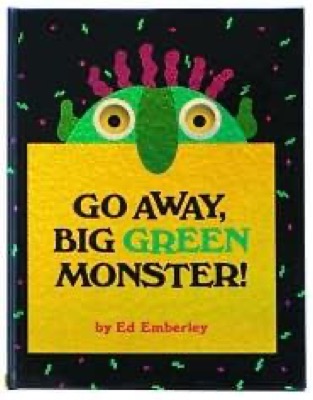 Go Away, Big Green Monster!about 3 minutes estimated · 5/5 re-read
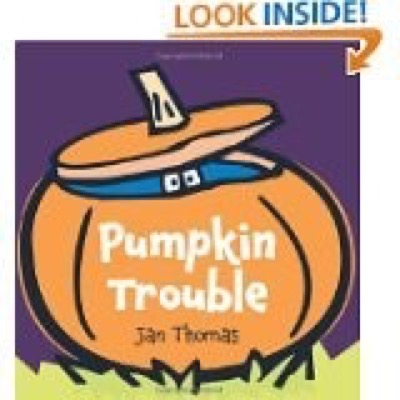 Pumpkin Troubleabout 2.5 minutes estimated · 4/5 re-read
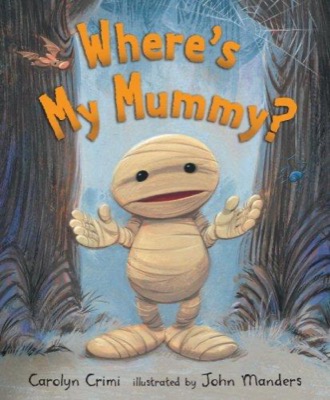 Where's My Mummy?about 6 minutes estimated · 4/5 re-read
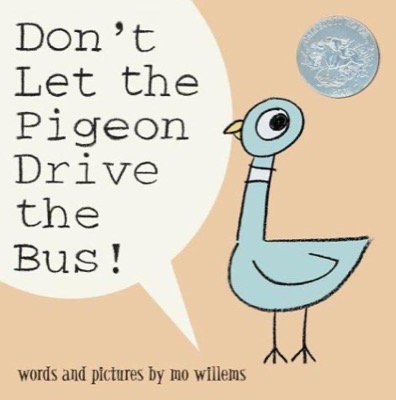 Don't Let the Pigeon Drive the Bus!about 3.5 minutes estimated · 5/5 re-read
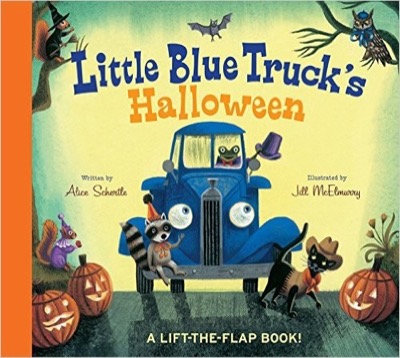 Little Blue Truck's Halloweenabout 5 minutes estimated · 5/5 re-read
Questions parents ask
How long does it take to read Skeleton Hiccups aloud?
About 3.5 minutes at an unhurried pace, including a standard allowance for page turns, pictures and participation, from a word count of 114. Stopping for a longer conversation on every page will add more time.
What age is Skeleton Hiccups actually for?
Ages 2-5 in our testing, which is narrower than the publisher's range. With 1 sentence a page and vocabulary at 1 out of 5, it asks for that much attention span and no more.
Does Skeleton Hiccups survive being read on repeat?
Yes - this is one of the few that is still fine on the fortieth reading, which is why it scores 5 out of 5 with us.
Is Skeleton Hiccups a good book for a child who will not sit still?
It helps that it has a refrain a child can join in with, and it asks the child questions to answer out loud. Those three features are what keep a wriggling toddler listening, far more than the subject matter does.
Will my child memorise Skeleton Hiccups?
Probably, and fast. The book leans on a repeated refrain, and at 5 out of 5 for re-read tolerance it survives the nightly repeats that get a book memorised. Expect your child to chant the pattern back before they can actually read.
Can a beginning reader read Skeleton Hiccups on their own?
It is closer than most picture books. With 1 sentence a page and plain vocabulary (1 out of 5), a confident early reader can attempt it, though it is written to be read aloud first.
What themes does Skeleton Hiccups cover?
We tag it with Halloween, skeletons, hiccups, humour and routine. Those are the threads that actually run through the book, not just the ones on the cover, which is how it earns its place on our themed lists rather than a keyword match.
Lists Skeleton Hiccups is on
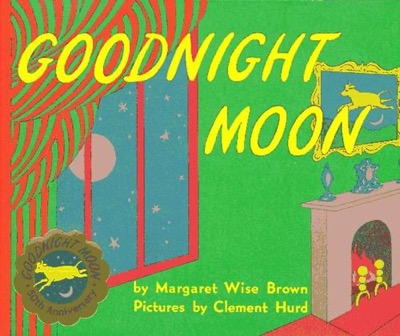 49 reviewed booksBooks for 2 Year OldsFind the best books for 2 year olds. Our list includes read-aloud times and word counts to help you pick the right book for any mood or moment.
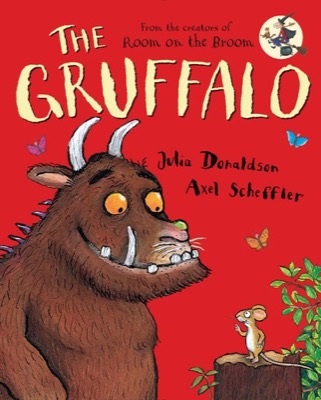 50 reviewed booksBooks for 3 Year OldsBrowse 50 books for 3 year olds. Includes read-aloud times and word counts to help you match the story to your child's current attention span.
- 50 reviewed booksBooks for 4 Year OldsA collection of 50 books for 4 year olds, including read-aloud times and word counts for stories with more developed plots.
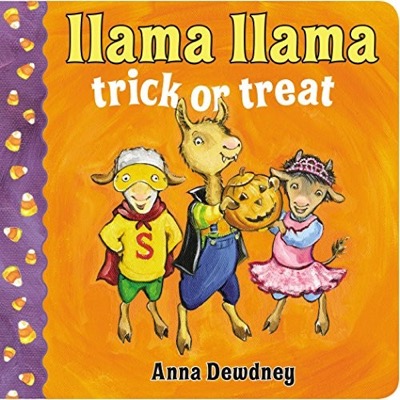 34 reviewed booksHalloween Books for KidsHalloween books for kids with read-aloud times. We help you decide which are least scary and which are better for sensitive toddlers.
 45 reviewed booksPreschool BooksA curated list of picture books for ages three to five. Find books that hold a group, stories that are quick, and favorites for constant re-reading.
 45 reviewed booksBest Books to Read to ToddlersA curated list of books for ages one to three. Sorted by interaction, speed, and bedtime utility, with estimated read-aloud times for every book.