The Spiffiest Giant in Town
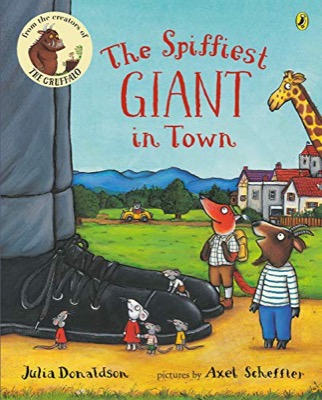
A heartwarming, rhyming story about a giant who gives away his new clothes to those in need. The cumulative song makes it a fantastic choice for repeated reading and memorization.
The Spiffiest Giant in Town by Julia Donaldson is estimated to take about 12 minutes to read aloud (1,074 words, about 3 sentences a page), and it lands best with children aged 4-8.
Check the book on AmazonAffiliate link
- Estimated read-aloud time
- about 12 minutesEstimated read-aloud time
- Word count
- 1,074Counted words
- Sentences per page
- 3Sentences per page
- Re-read tolerance
- 4/5repeat friendly
- Vocabulary level
- 3/5a few new words
- Best for
- Ages 4-8Our editorial fit
Our review
George the Giant keeps losing things as he helps others, and each time a new item is given away, a song is sung. This cumulative song grows longer with each step.
Because the song is so repetitive, five-year-olds will often find themselves reciting the entire list from memory. It is a lovely, long-form rhyming story about generosity.
Before you buy it
As the longest Donaldson here, this takes about twelve minutes to read aloud. It is best handled in two sittings, using the song to mark the transition.
Themes
- rhyme
- generosity
- clothes
- cumulative song
- giants
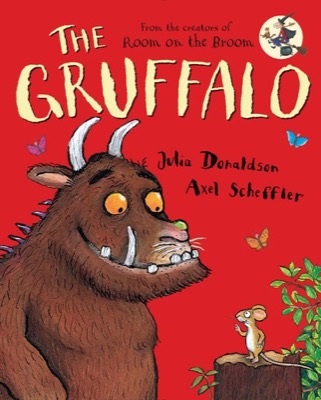
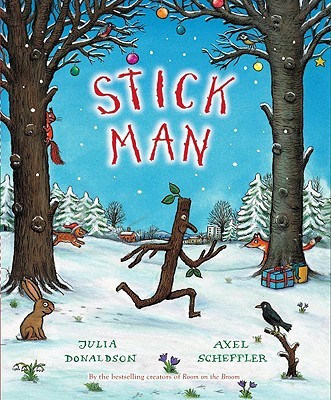
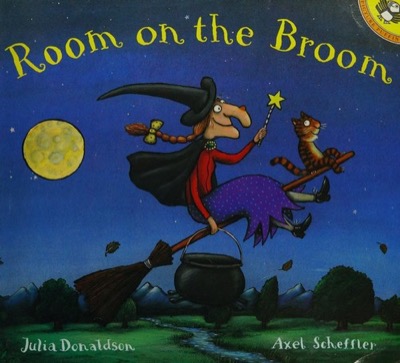
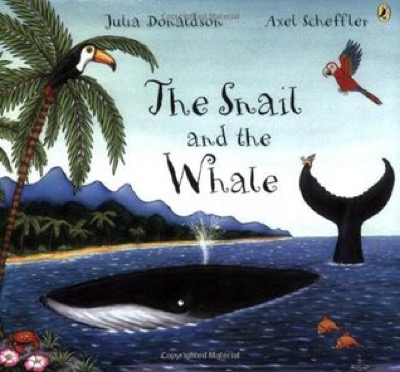
Books like The Spiffiest Giant in Town
Matched by refrain, density, length, and listener—not just the subject.
Questions parents ask
How long does it take to read The Spiffiest Giant in Town aloud?
About 12 minutes at an unhurried pace, including a standard allowance for page turns, pictures and participation, from a word count of 1,074. Stopping for a longer conversation on every page will add more time.
What age is The Spiffiest Giant in Town actually for?
Ages 4-8 in our testing, which is narrower than the publisher's range. With 3 sentences a page and vocabulary at 3 out of 5, it asks for that much attention span and no more.
Does The Spiffiest Giant in Town survive being read on repeat?
Yes. It survives a fortnight of nightly repeats, which is the real test.
Is The Spiffiest Giant in Town a good book for a child who will not sit still?
It helps that it rhymes, and it has a refrain a child can join in with, and it asks the child questions to answer out loud. Those three features are what keep a wriggling toddler listening, far more than the subject matter does.
Will my child memorise The Spiffiest Giant in Town?
Probably, and fast. The book leans on a repeated refrain, and at 4 out of 5 for re-read tolerance it survives the nightly repeats that get a book memorised. Expect your child to chant the pattern back before they can actually read.
Can a beginning reader read The Spiffiest Giant in Town on their own?
Not yet. At vocabulary level 3 out of 5 and 3 sentences a page, it is a read-aloud book rather than a first solo read. Read it to them now, and hand it over in a year or two.
What themes does The Spiffiest Giant in Town cover?
We tag it with rhyme, generosity, clothes, cumulative song and giants. Those are the threads that actually run through the book, not just the ones on the cover, which is how it earns its place on our themed lists rather than a keyword match.