Wemberly Worried
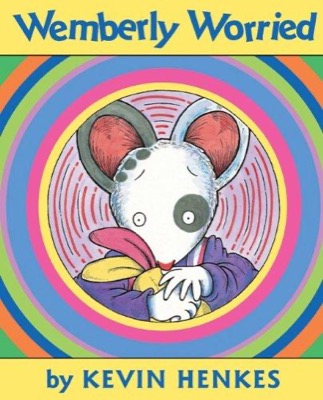
Wemberly’s worries are detailed in small, specific ways—like a crack in the wall—that an anxious child will recognize. The solution isn't telling them to stop worrying, but finding a friend who worries, too.
Wemberly Worried by Kevin Henkes is estimated to take about 6.5 minutes to read aloud (525 words, about 2 sentences a page), and it lands best with children aged 4-6.
Check the book on AmazonAffiliate link
- Estimated read-aloud time
- about 6.5 minutesEstimated read-aloud time
- Word count
- 525Counted words
- Sentences per page
- 2Sentences per page
- Re-read tolerance
- 3/5holds up
- Vocabulary level
- 3/5a few new words
- Best for
- Ages 4-6Our editorial fit
Our review
This is an excellent choice for children who experience those small, specific anxieties about new environments. It names the feeling of being worried in a way that feels very real and relatable.
The resolution is particularly effective because it focuses on companionship rather than "fixing" the emotion. It teaches that you don't have to stop being worried to make a friend.
Themes
- worry
- school
- friendship
- mice
Books like Wemberly Worried
Matched by refrain, density, length, and listener—not just the subject.
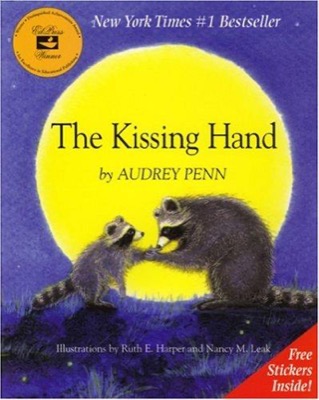 The Kissing Handabout 6 minutes estimated · 3/5 re-read
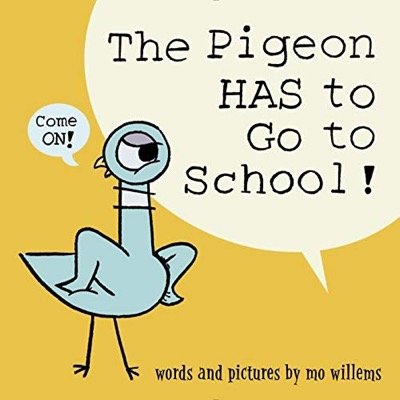 The Pigeon HAS to Go to School!about 4.5 minutes estimated · 4/5 re-read
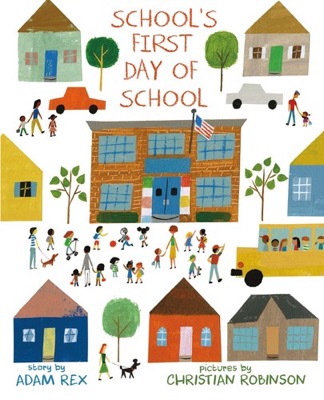 School's First Day of Schoolabout 9.5 minutes estimated · 4/5 re-read
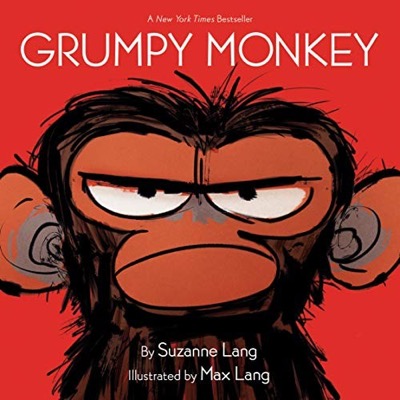 Grumpy Monkeyabout 6 minutes estimated · 4/5 re-read
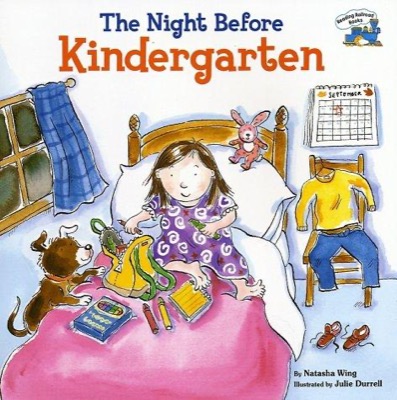 The Night Before Kindergartenabout 5 minutes estimated · 3/5 re-read
Questions parents ask
How long does it take to read Wemberly Worried aloud?
About 6.5 minutes at an unhurried pace, including a standard allowance for page turns, pictures and participation, from a word count of 525. Stopping for a longer conversation on every page will add more time.
What age is Wemberly Worried actually for?
Ages 4-6 in our testing, which is narrower than the publisher's range. With 2 sentences a page and vocabulary at 3 out of 5, it asks for that much attention span and no more.
Does Wemberly Worried survive being read on repeat?
Yes, reasonably. It stays bearable through the repeat-request phase without becoming a favourite forever.
Is Wemberly Worried a good book for a child who will not sit still?
It helps that it has a refrain a child can join in with. Those three features are what keep a wriggling toddler listening, far more than the subject matter does.
Will my child memorise Wemberly Worried?
Probably, and fast. The book leans on a repeated refrain, and at 3 out of 5 for re-read tolerance it survives the nightly repeats that get a book memorised. Expect your child to chant the pattern back before they can actually read.
Can a beginning reader read Wemberly Worried on their own?
Not yet. At vocabulary level 3 out of 5 and 2 sentences a page, it is a read-aloud book rather than a first solo read. Read it to them now, and hand it over in a year or two.
What themes does Wemberly Worried cover?
We tag it with worry, school, friendship and mice. Those are the threads that actually run through the book, not just the ones on the cover, which is how it earns its place on our themed lists rather than a keyword match.
Lists Wemberly Worried is on
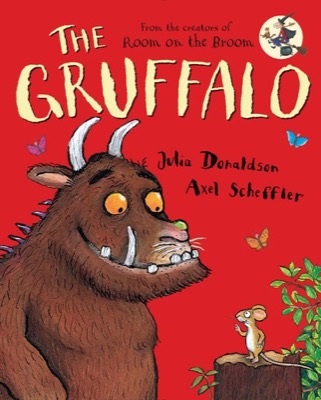 50 reviewed booksBooks for 4 Year OldsA collection of 50 books for 4 year olds, including read-aloud times and word counts for stories with more developed plots.
- 50 reviewed booksBooks for 5 Year OldsFind great books for 5 year olds, from favorite picture books to first chapter books. Includes estimated read-aloud times for quick planning.
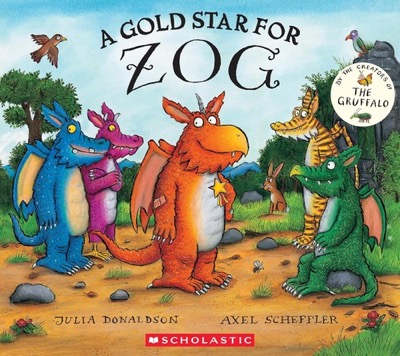 13 reviewed booksPicture Books for 5 Year OldsCurated picture books for 5 year olds, including read-aloud times, word counts, and notes on which kids will enjoy them most.
- 8 reviewed booksFirst Day of School BooksHelpful first day of school books for children, featuring estimated read-aloud times and the specific anxieties each book addresses.
- 8 reviewed booksBooks About Starting KindergartenBooks about starting kindergarten, categorized by the specific worry they address: making friends, following rules, or being left.
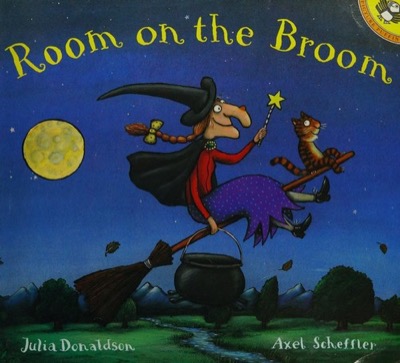 16 reviewed booksBooks for 5 Year Old GirlsFind books for 5 year old girls with female protagonists. Includes estimated read-aloud times and stories for any child.
- 10 reviewed booksBooks About Anxiety for PreschoolersHelp your child navigate worry with these picture books for ages 3-5. We've noted which books name feelings directly and their read-aloud times.
- 21 reviewed booksBooks for 6 Year Old Girls21 books for 6 year old girls, focusing on female leads and great stories for any child. Includes estimated read-aloud times.