Who Is Coming to Our House?
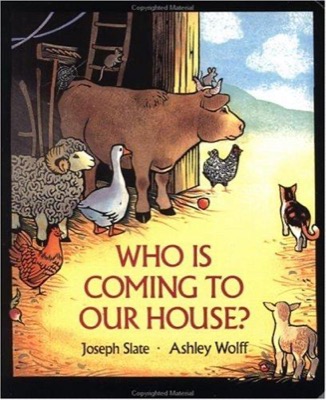
The animals in a stable work together to tidy up for a special guest. It's a rhyming, gentle nativity story told from the perspective of the animals, making it a sweet option for a plain animal book too.
Who Is Coming to Our House? by Joseph Slate is estimated to take about 3 minutes to read aloud (136 words, about 1 sentence a page), and it lands best with children aged 0-4.
Check the book on AmazonAffiliate link
- Estimated read-aloud time
- about 3 minutesEstimated read-aloud time
- Word count
- 136Counted words
- Sentences per page
- 1Sentence per page
- Re-read tolerance
- 4/5repeat friendly
- Vocabulary level
- 1/5plain words
- Best for
- Ages 0-4Our editorial fit
Our review
The rhyming structure makes this an easy, soothing read. It focuses on the animals' tasks, such as the mouse sweeping, which keeps the tone very gentle and sweet.
While it is a religious nativity story, the focus on animals doing chores makes it approachable. It's a lovely way to introduce the theme of preparing for a guest.
Before you buy it
This is explicitly a nativity story. Since the cover doesn't signal this, keep that in mind if you are looking for a strictly secular book.
Themes
- Christmas
- nativity
- religious
- farm animals
- rhyme
Books like Who Is Coming to Our House?
Matched by refrain, density, length, and listener—not just the subject.
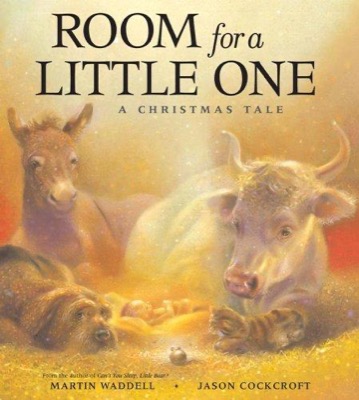 Room for a Little One: A Christmas Taleabout 5 minutes estimated · 5/5 re-read
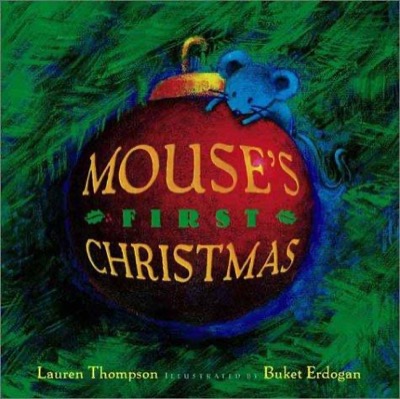 Mouse's First Christmasabout 3.5 minutes estimated · 4/5 re-read
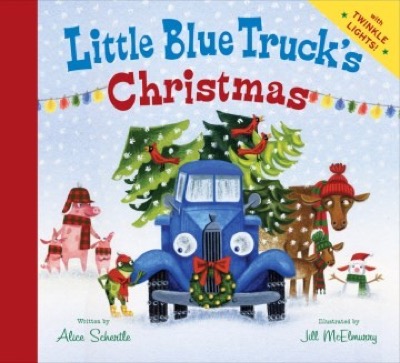 Little Blue Truck's Christmasabout 3.5 minutes estimated · 5/5 re-read
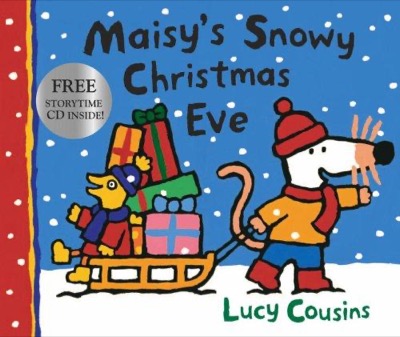 Maisy's Snowy Christmas Eveabout 4 minutes estimated · 4/5 re-read
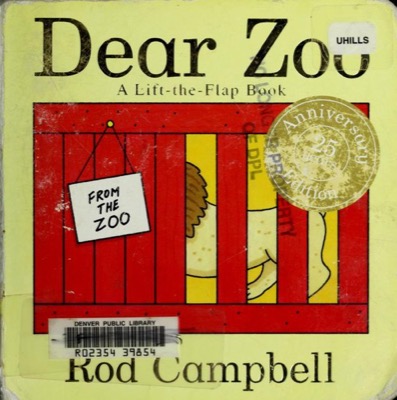 Dear Zooabout 3.5 minutes estimated · 5/5 re-read
Questions parents ask
How long does it take to read Who Is Coming to Our House? aloud?
About 3 minutes at an unhurried pace, including a standard allowance for page turns, pictures and participation, from a word count of 136. Stopping for a longer conversation on every page will add more time.
What age is Who Is Coming to Our House? actually for?
Ages 0-4 in our testing, which is narrower than the publisher's range. With 1 sentence a page and vocabulary at 1 out of 5, it asks for that much attention span and no more.
Does Who Is Coming to Our House? survive being read on repeat?
Yes. It survives a fortnight of nightly repeats, which is the real test.
Is Who Is Coming to Our House? a good book for a child who will not sit still?
It helps that it rhymes, and it has a refrain a child can join in with, and it asks the child questions to answer out loud. Those three features are what keep a wriggling toddler listening, far more than the subject matter does.
Will my child memorise Who Is Coming to Our House??
Probably, and fast. The book leans on a repeated refrain, and at 4 out of 5 for re-read tolerance it survives the nightly repeats that get a book memorised. Expect your child to chant the pattern back before they can actually read.
Can a beginning reader read Who Is Coming to Our House? on their own?
It is closer than most picture books. With 1 sentence a page and plain vocabulary (1 out of 5), a confident early reader can attempt it, though it is written to be read aloud first.
What themes does Who Is Coming to Our House? cover?
We tag it with Christmas, nativity, religious, farm animals and rhyme. Those are the threads that actually run through the book, not just the ones on the cover, which is how it earns its place on our themed lists rather than a keyword match.
Lists Who Is Coming to Our House? is on
- 34 reviewed booksChristmas Books for KidsFind Christmas books for kids by read-aloud time and theme. From quick board books to The Grinch, sorted by secular or nativity themes.
- 48 reviewed booksBooks for 1 Year OldsFind board books, touch-and-feel books, and flaps for 1 year olds. Includes realistic read-aloud times and age-appropriate selections.
 59 reviewed booksBoard BooksA curated list of 60 board books for ages 0-3, including read-aloud times and durability ratings for books that survive chewing and rereading.