The Color Monster: A Story About Emotions
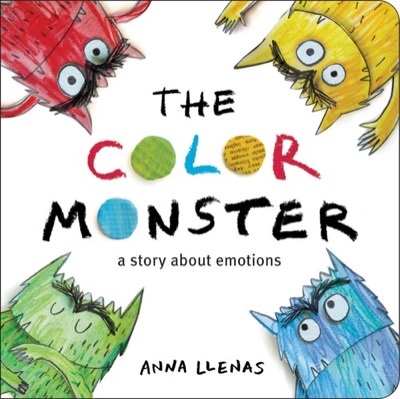
Each feeling gets a color and its own jar, so a child who cannot say 'I am frustrated' can point at a color instead. After a few readings, families often start using the shorthand in real life.
The Color Monster: A Story About Emotions by Anna Llenas is estimated to take about 5 minutes to read aloud (320 words, about 2 sentences a page), and it lands best with children aged 3-5.
Check the book on AmazonAffiliate link
- Estimated read-aloud time
- about 5 minutesEstimated read-aloud time
- Estimated word count
- 320Our estimate
- Sentences per page
- 2Sentences per page
- Re-read tolerance
- 4/5repeat friendly
- Vocabulary level
- 2/5everyday words
- Best for
- Ages 3-5Our editorial fit
Our review
This book assigns a specific color and its own jar to different emotions. For a child who can't yet put a name to a feeling like frustration, they can simply point to a color.
The repetitive, call-and-response style makes it engaging for young children. It’s the kind of book that often ends up providing a helpful shorthand for families during real-world arguments.
Before you buy it
The book suggests that emotions should be sorted and put away, which is a bit of a simplification for complex feelings.
Themes
- emotions
- colours
- naming feelings
- monsters
Books like The Color Monster: A Story About Emotions
Matched by refrain, density, length, and listener—not just the subject.
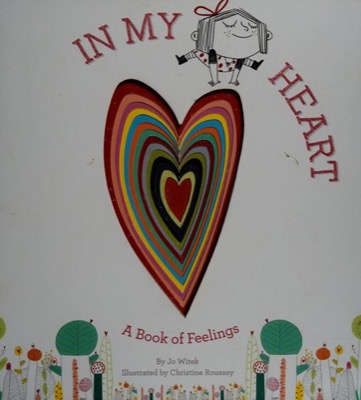 In My Heart: A Book of Feelingsabout 6 minutes estimated · 4/5 re-read
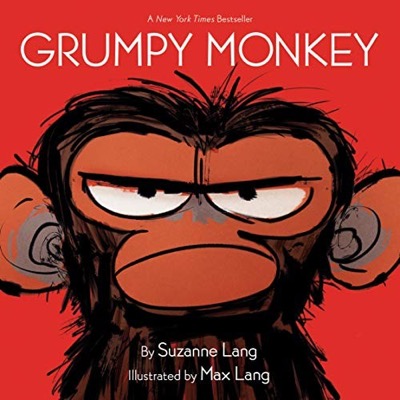 Grumpy Monkeyabout 6 minutes estimated · 4/5 re-read
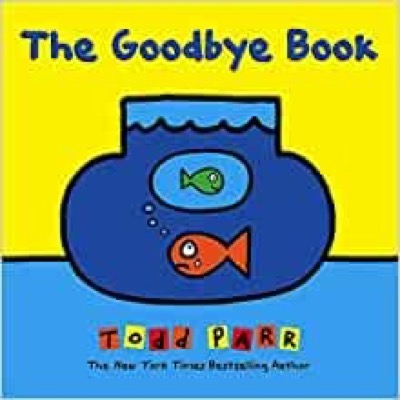 The Goodbye Bookabout 3.5 minutes estimated · 4/5 re-read
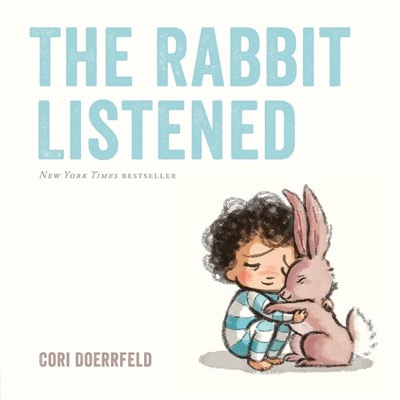 The Rabbit Listenedabout 4.5 minutes estimated · 4/5 re-read
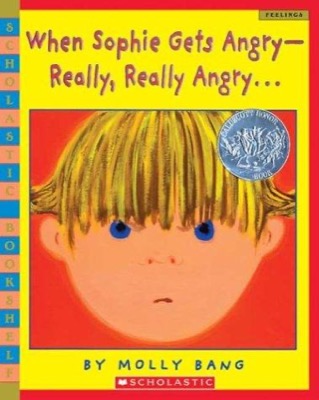 When Sophie Gets Angry - Really, Really Angry...about 3.5 minutes estimated · 4/5 re-read
Questions parents ask
How long does it take to read The Color Monster: A Story About Emotions aloud?
About 5 minutes at an unhurried pace, including a standard allowance for page turns, pictures and participation, from a word count of 320. Stopping for a longer conversation on every page will add more time.
What age is The Color Monster: A Story About Emotions actually for?
Ages 3-5 in our testing, which is narrower than the publisher's range. With 2 sentences a page and vocabulary at 2 out of 5, it asks for that much attention span and no more.
Does The Color Monster: A Story About Emotions survive being read on repeat?
Yes. It survives a fortnight of nightly repeats, which is the real test.
Is The Color Monster: A Story About Emotions a good book for a child who will not sit still?
It helps that it has a refrain a child can join in with, and it asks the child questions to answer out loud. Those three features are what keep a wriggling toddler listening, far more than the subject matter does.
Will my child memorise The Color Monster: A Story About Emotions?
Probably, and fast. The book leans on a repeated refrain, and at 4 out of 5 for re-read tolerance it survives the nightly repeats that get a book memorised. Expect your child to chant the pattern back before they can actually read.
Can a beginning reader read The Color Monster: A Story About Emotions on their own?
It is closer than most picture books. With 2 sentences a page and plain vocabulary (2 out of 5), a confident early reader can attempt it, though it is written to be read aloud first.
What themes does The Color Monster: A Story About Emotions cover?
We tag it with emotions, colours, naming feelings and monsters. Those are the threads that actually run through the book, not just the ones on the cover, which is how it earns its place on our themed lists rather than a keyword match.
Lists The Color Monster: A Story About Emotions is on
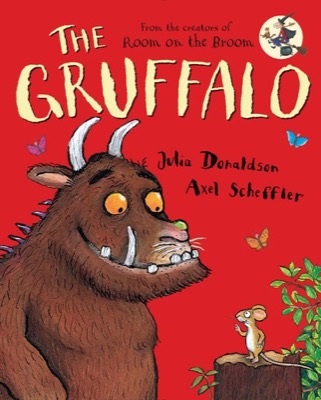 50 reviewed booksBooks for 3 Year OldsBrowse 50 books for 3 year olds. Includes read-aloud times and word counts to help you match the story to your child's current attention span.
- 50 reviewed booksBooks for 4 Year OldsA collection of 50 books for 4 year olds, including read-aloud times and word counts for stories with more developed plots.
- 20 reviewed booksPreschool Books About FeelingsFind preschool books about feelings sorted by specific emotions like anger or sadness. Includes read-aloud times for quick decision-making.
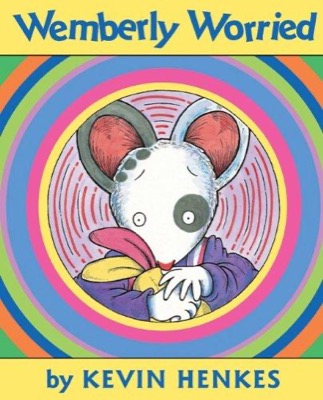 10 reviewed booksBooks About Anxiety for PreschoolersHelp your child navigate worry with these picture books for ages 3-5. We've noted which books name feelings directly and their read-aloud times.