We Don't Eat Our Classmates
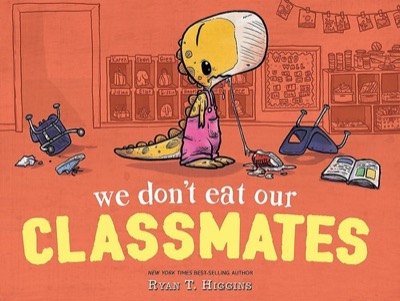
Penelope Rex is nervous about school but ends up eating her classmates—until she experiences being eaten herself. It is a funny, high-stakes take on the "first day of school" jitters that children find hilarious.
We Don't Eat Our Classmates by Ryan T. Higgins is estimated to take about 5.5 minutes to read aloud (409 words, about 2 sentences a page), and it lands best with children aged 4-6.
Check the book on AmazonAffiliate link
- Estimated read-aloud time
- about 5.5 minutesEstimated read-aloud time
- Word count
- 409Counted words
- Sentences per page
- 2Sentences per page
- Re-read tolerance
- 5/5still good at forty
- Vocabulary level
- 3/5a few new words
- Best for
- Ages 4-6Our editorial fit
Our review
The humor in this book comes from the tension between the classroom setting and Penelope's predatory nature. It’s a very effective way to make the concept of empathy understandable through a silly, exaggerated scenario.
It is a great pick for children who enjoy a bit of "naughty" humor. The repetition of the teacher's warning makes it very engaging for a group of preschool or kindergarten-aged listeners.
Before you buy it
This joke relies on a child understanding that eating people isn't a real thing. Some children under four might take the part about eating the goldfish quite literally.
Themes
- school
- dinosaurs
- empathy
- friendship
- humour
Books like We Don't Eat Our Classmates
Matched by refrain, density, length, and listener—not just the subject.
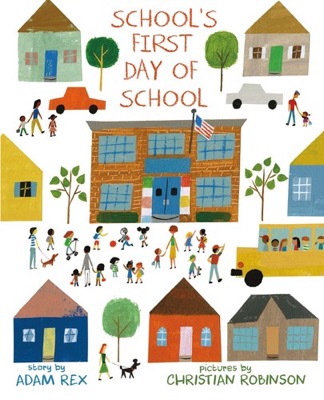 School's First Day of Schoolabout 9.5 minutes estimated · 4/5 re-read
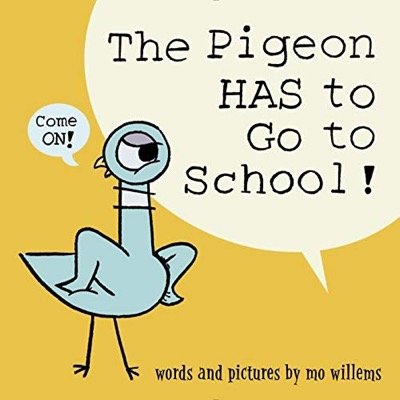 The Pigeon HAS to Go to School!about 4.5 minutes estimated · 4/5 re-read
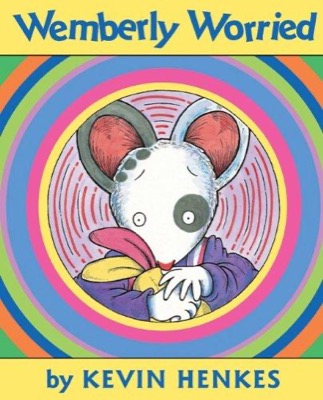 Wemberly Worriedabout 6.5 minutes estimated · 3/5 re-read
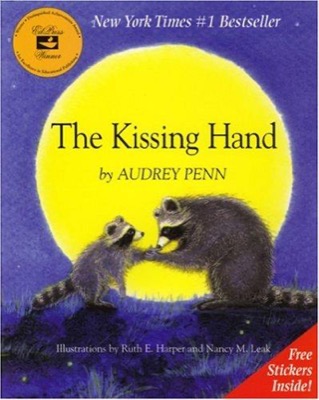 The Kissing Handabout 6 minutes estimated · 3/5 re-read
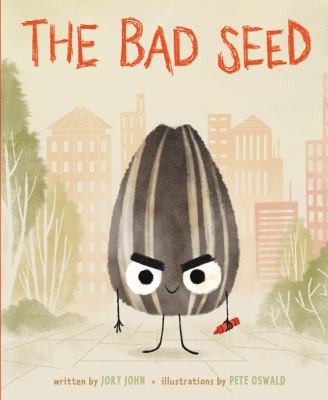 The Bad Seedabout 6 minutes estimated · 4/5 re-read
Questions parents ask
How long does it take to read We Don't Eat Our Classmates aloud?
About 5.5 minutes at an unhurried pace, including a standard allowance for page turns, pictures and participation, from a word count of 409. Stopping for a longer conversation on every page will add more time.
What age is We Don't Eat Our Classmates actually for?
Ages 4-6 in our testing, which is narrower than the publisher's range. With 2 sentences a page and vocabulary at 3 out of 5, it asks for that much attention span and no more.
Does We Don't Eat Our Classmates survive being read on repeat?
Yes - this is one of the few that is still fine on the fortieth reading, which is why it scores 5 out of 5 with us.
Is We Don't Eat Our Classmates a good book for a child who will not sit still?
It helps that it has a refrain a child can join in with. Those three features are what keep a wriggling toddler listening, far more than the subject matter does.
Will my child memorise We Don't Eat Our Classmates?
Probably, and fast. The book leans on a repeated refrain, and at 5 out of 5 for re-read tolerance it survives the nightly repeats that get a book memorised. Expect your child to chant the pattern back before they can actually read.
Can a beginning reader read We Don't Eat Our Classmates on their own?
Not yet. At vocabulary level 3 out of 5 and 2 sentences a page, it is a read-aloud book rather than a first solo read. Read it to them now, and hand it over in a year or two.
What themes does We Don't Eat Our Classmates cover?
We tag it with school, dinosaurs, empathy, friendship and humour. Those are the threads that actually run through the book, not just the ones on the cover, which is how it earns its place on our themed lists rather than a keyword match.
Lists We Don't Eat Our Classmates is on
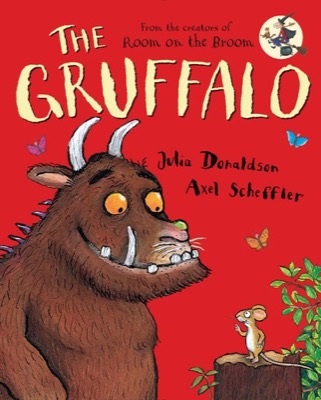 50 reviewed booksBooks for 5 Year OldsFind great books for 5 year olds, from favorite picture books to first chapter books. Includes estimated read-aloud times for quick planning.
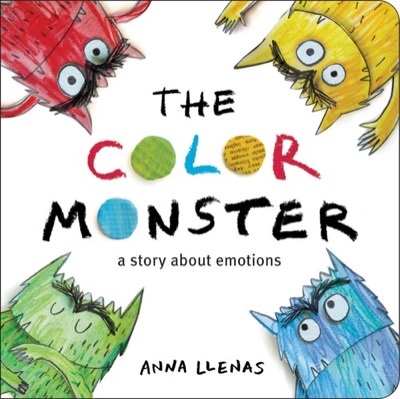 20 reviewed booksPreschool Books About FeelingsFind preschool books about feelings sorted by specific emotions like anger or sadness. Includes read-aloud times for quick decision-making.
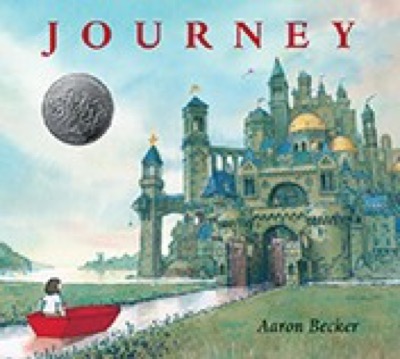 45 reviewed booksPreschool BooksA curated list of picture books for ages three to five. Find books that hold a group, stories that are quick, and favorites for constant re-reading.